
Supply chain issues may cause delays.
Click for details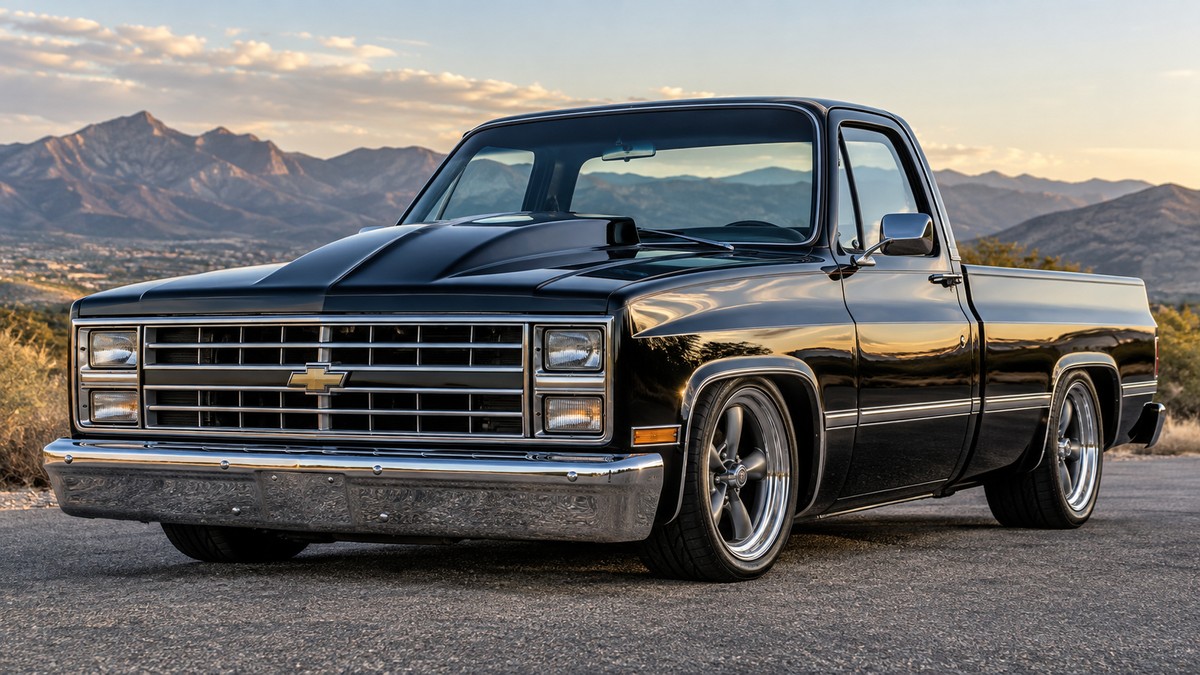
Few trucks respond to a hood change as dramatically as a square-body Chevy. The straight fenders, upright grille, and broad factory hood already give the 1981–1987 C10 a strong profile, and adding a raised cowl can completely change the attitude of the front end.
For someone considering an 86 C10 cowl hood, one of the biggest decisions is whether a tall 4-inch design fits the truck you are building. A cowl of that size is not a subtle modification. It becomes a major visual feature and works best when the rest of the truck supports the more aggressive appearance.
There are practical considerations too. A replacement hood must fit correctly, work with the hinges and latch, arrive undamaged through freight shipping, and be test-fitted before final paint. If additional engine clearance is part of your reason for buying one, measurements become even more important.
Here is what to consider before installing a 4-inch cowl hood on a 1986 C10.
Square-body Chevy trucks have a relatively simple exterior design. Their straight body lines give custom components plenty of room to make an impact without competing with complicated factory styling.
A tall cowl works especially well on trucks built as:
The raised center section adds height without changing the recognizable shape of the grille or fenders.
The linked 86 C10 cowl hood is a 4-inch steel cowl-induction-style hood, making it a much stronger visual change than the smaller cowl designs often used on more conservative restorations.
Cowl height changes the personality of the truck.
A 2-inch cowl often works well when the goal is a factory-plus appearance. It gives the hood more shape but generally remains fairly restrained.
A 4-inch cowl is different. It creates a substantial rise through the center and is immediately noticeable from the front and side.
Before choosing one, think about the rest of your C10.
A tall hood tends to look more natural when paired with features such as:
On a completely stock C10 with factory wheels and ride height, a 4-inch cowl may become the dominant feature.
That may be exactly what you want. The important thing is making the choice intentionally.
Most owners judge a hood from outside the truck, but a tall cowl also changes what you see from behind the steering wheel.
Four inches of rise can be noticeable from the driver's seat.
Before committing to a tall cowl, consider how the truck will be used. A weekend cruiser or show truck may make that tradeoff easy. A C10 that gets driven frequently may make visibility and daily comfort more important.
The hood should look good parked, but it should also work for the way you actually drive the truck.
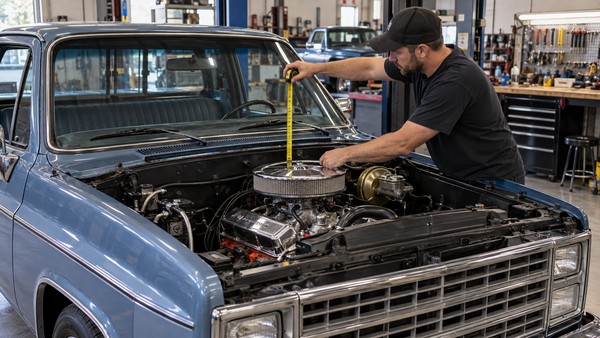
Not necessarily.
This is one of the most important things to understand before buying any cowl hood.
The advertised rise describes the exterior cowl profile. It does not guarantee four additional inches of usable clearance beneath every portion of the hood.
Actual space depends on:
If your C10 has a taller intake, carburetor setup, engine swap, supercharger, or other modification requiring additional room, measure before ordering.
Identify the highest point of the engine and determine where it sits relative to the cowl.
Never rely exclusively on the advertised hood height when clearance is critical.
An older C10 may already have alignment issues that have nothing to do with the replacement hood.
Before removing the factory panel, inspect:
Square-body trucks are now several decades old. Many have been repaired after collisions, modified by previous owners, or taken apart and reassembled multiple times.
If the current hood already sits crooked, find out why.
A perfectly good replacement hood can appear to fit poorly if one fender sits too high or a hinge is worn.
A steel cowl hood keeps the construction more similar to the original truck than a lightweight race-style panel.
Advantages include:
Steel does add weight, so the hinges need to be in good condition.
Don't assume that old hinges are fine simply because they still hold up the factory hood. Wear can create sagging, inconsistent gaps, or difficulty closing the replacement panel.
A hood is an oversized body panel and normally requires truck freight.
That introduces another step into the project: inspecting the part immediately when it arrives.
Before accepting the shipment, check the packaging for:
Then inspect the hood itself.
Pay close attention to:
Take photographs if anything appears questionable and follow the supplier's freight instructions before signing.
Hoods are vulnerable to transportation damage because a relatively small impact can distort a large panel.
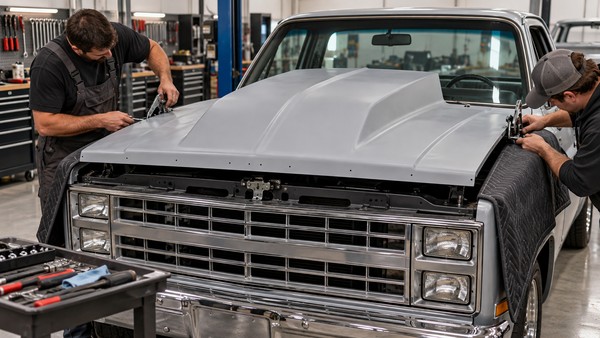
This is one of the most important steps in the entire project.
Do not paint the hood first.
Install it in unfinished form and inspect:
A large hood magnifies small adjustments. Moving the hinge slightly at the rear can significantly change where the front corner sits.
Work slowly.
If the latch does not line up, do not force the hood shut. Correct the adjustment first.
It is also smart to have two people handle installation. A steel C10 hood is large enough that trying to install it alone can damage the hood, fenders, or cowl.
Before final assembly, inspect:
This is also a good opportunity to clean and refinish areas around the hinges and cowl that are normally difficult to access.
If you are already deep into a larger build, you may also want to evaluate other chevy square body parts while the truck is disassembled, particularly if rust or damaged sheet metal exists around the front end.
Once fitment is correct, remove the hood and prepare it for finishing.
Depending on the panel and paint system, the body shop may need to perform:
The underside also deserves attention.
Painting it body color creates a more complete appearance, particularly on show-oriented builds. A simpler durable finish may make sense for a regularly driven street truck.
Whatever finish you choose, make that decision before the paint process begins.
A 4-inch cowl changes the visual balance of the truck.
Once installed, it can also draw more attention to the grille, headlights, bumper, and fender alignment.
Take a look at those components before final assembly.
A clean factory grille and bumper can work perfectly with a custom hood. You do not need to modify every part of the front end.
In fact, restraint often produces a better-looking truck.
The hood should feel like part of an overall plan, not simply the largest aftermarket part available.
When planning a cowl-hood upgrade, avoid:
Most problems are easier to prevent before paint than correct afterward.
For the right square-body build, a 4-inch cowl can look outstanding.
It gives the C10 a much more aggressive profile while preserving the basic lines that make these trucks instantly recognizable. It works particularly well on street trucks, restomods, and performance-oriented builds where the hood supports the rest of the modifications.
The important part is choosing it for the right reasons.
Think about proportions, confirm your application, measure if engine clearance matters, inspect the existing front-end hardware, and test-fit the hood before paint.
When those details are handled correctly, an 86 C10 cowl hood can become one of the defining features of the entire truck rather than just another aftermarket part.
It depends on the build. A 4-inch cowl is aggressive and works especially well on lowered, performance-oriented, or heavily customized C10s. Owners wanting a subtler factory-plus look may prefer a smaller cowl.
It can provide additional space in some areas, but the exterior rise does not equal four inches of usable clearance everywhere. Inner bracing, engine position, and the location of the intake system all matter.
Not automatically, but they should be inspected carefully. Worn hinges, springs, or mounting points can cause poor alignment and make a new hood difficult to fit correctly.
Can't find what you need for your Classic Vehicle? Give us a call at: (336) 337-2132
