
Supply chain issues may cause delays.
Click for details
Rust is one of the biggest challenges facing owners of classic Ford F250 trucks. Whether you're working on a Highboy from the late 1960s, a dent-side truck from the 1970s, or a brick nose model from the 1980s, corrosion is almost inevitable after decades of use. The good news is that severe rust doesn't always mean a truck is beyond saving. With the right planning and quality f250 rust repair panels, even heavily weathered trucks can be restored into dependable drivers or show-quality builds.
The key is knowing where rust typically develops, understanding when repair panels make more sense than patchwork, and approaching the restoration in the proper order. Taking shortcuts may save time today, but it often creates larger problems later.
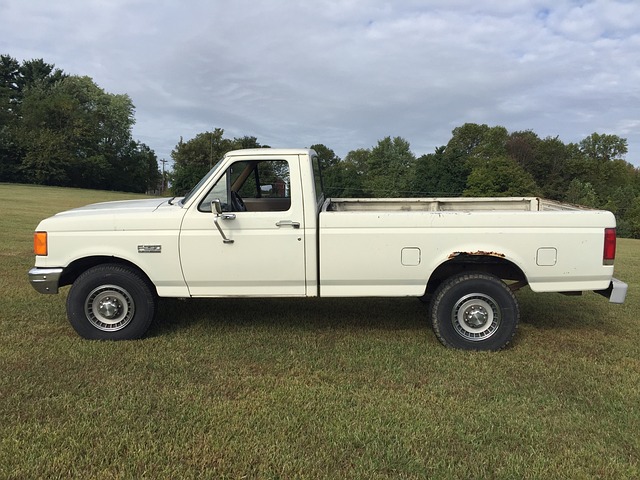
Ford trucks were built to work, and many spent years hauling equipment, towing trailers, or sitting outside in every type of weather. Dirt, road salt, moisture, and debris naturally collected in areas that were difficult to clean, allowing corrosion to develop from the inside out.
Many owners are surprised to discover that a truck with decent-looking paint may have significant structural rust hiding underneath.
Some of the biggest contributors include:
Understanding how rust forms helps you identify problems before they become much more expensive to repair.
While every truck has its own history, there are several areas that consistently need attention during restoration projects.
Cab corners are one of the first places many Ford trucks begin rusting. Moisture collects inside the cab structure where it often goes unnoticed until corrosion becomes visible.
Rocker panels take constant abuse from water, mud, gravel, and road debris. Rust usually starts from the inside and slowly works its way outward.
Water leaks around windshields, door seals, and floor plugs often lead to rust beneath carpeting or rubber floor mats.
Mud and road debris collect inside wheel openings, making them particularly vulnerable to corrosion over time.
Drainage holes can become clogged, allowing water to sit inside doors and lower fenders for extended periods.
Identifying these areas early gives you a better understanding of the overall condition of the truck before purchasing replacement parts.
Not all repair panels are manufactured to the same standards. While inexpensive panels may seem appealing, poor fitment often creates additional work during installation.
Well-made Ford truck rust repair panels are designed to closely match factory dimensions, helping reduce the amount of trimming, reshaping, and adjustment required.
Quality panels offer several advantages:
Investing in properly manufactured panels usually saves both time and frustration throughout the restoration.
Many first-time restorers become excited about paint colors, wheels, and interior upgrades. While those projects are enjoyable, they should come after structural repairs have been completed.
A good restoration typically follows this order:
Replace damaged sheet metal before investing in cosmetic work.
Check door gaps, fender alignment, and body lines before final welding.
Inspect brakes, steering, suspension, and drivetrain components while the truck is still easy to access.
Only after the truck is structurally sound should final bodywork begin.
Following this process reduces the chances of having to undo finished work later.
One of the biggest mistakes during classic truck restorations is trying to hide rust rather than eliminate it.
Body filler and rust encapsulating products have their place, but they should never replace proper metal repairs when corrosion has significantly weakened the steel.
A permanent repair generally involves:
Although this approach requires more effort initially, it produces repairs that last significantly longer.
Surface rust is often only part of the story.
Once disassembly begins, additional corrosion frequently appears around:
Because of this, experienced restorers recommend performing a complete inspection before ordering large quantities of parts.
Having a full understanding of the truck's condition helps you budget more accurately and prevents delays once repairs begin.
Since much of the truck is already disassembled during sheet metal repairs, this is often the ideal time to replace related components.
Many owners also inspect or replace:
Completing these repairs together often saves labor and prevents future disassembly.
Owners working on complete restorations frequently source additional Ford truck restoration parts at the same time so the project progresses more efficiently.
Many restoration setbacks happen because of avoidable mistakes.
Some of the most common include:
Taking a little more time during the repair phase almost always produces a better finished truck.
Once new panels have been installed, protecting them should become a priority.
Many restorers apply:
Keeping drain holes clear and washing the underside regularly also helps extend the life of repaired panels.
Good maintenance after the restoration is just as important as the repair itself.
Rust repair is rarely the most exciting part of restoring a classic Ford truck, but it is one of the most rewarding. Every properly installed panel strengthens the truck, improves its appearance, and creates a better foundation for every other upgrade that follows.
By investing in quality F250 rust repair panels, taking time to remove corrosion correctly, and following a structured restoration plan, you can preserve a classic truck that will continue turning heads for years to come.
Whether your goal is a factory-style restoration or a dependable weekend driver, addressing rust the right way is one of the smartest investments you can make.
The most common rust areas include cab corners, rocker panels, floor pans, lower fenders, wheel arches, and door bottoms. These locations frequently trap moisture and debris, allowing corrosion to develop over time.
Minor surface rust can often be repaired, but panels with significant corrosion or structural damage are usually better replaced. Installing properly fitted replacement panels typically provides a stronger, longer-lasting repair.
Yes. High-quality aftermarket repair panels are designed to closely match factory dimensions and can provide excellent fitment when sourced from reputable manufacturers. They are often the most practical solution for restoring heavily rusted trucks.
Can't find what you need for your Classic Vehicle? Give us a call at: (336) 337-2132
