
Supply chain issues may cause delays.
Click for details
Few features are more desirable in the classic truck world than a short bed. Whether you're restoring a vintage pickup, building a custom street truck, or creating a weekend cruiser, truck short beds continue to attract attention from enthusiasts and collectors alike.
Part of their appeal comes from their proportions. Short bed trucks often have a sportier appearance, a more balanced stance, and a look that many enthusiasts simply prefer over their long bed counterparts. Beyond appearance, short bed trucks can also be easier to maneuver and often serve as the foundation for some of the most desirable custom builds on the road today.
If you're considering restoring, replacing, or upgrading a truck bed, understanding the options available can help you make better decisions throughout your project.
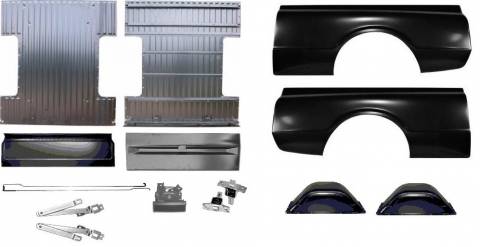
Classic truck enthusiasts have debated short beds versus long beds for decades, but short beds consistently remain in high demand.
Several factors contribute to their popularity:
While long beds certainly have their place, many builders prefer the compact look and versatility that a short bed provides.
This is especially true among owners of classic Chevy and GMC trucks, where short bed configurations often command significant attention.
If your truck already came equipped with a factory short bed, preserving and restoring it properly can add significant value to the finished project.
Unfortunately, truck beds are often one of the most heavily abused areas of any pickup.
Common problems include:
Years of hauling materials, exposure to weather, and general wear can leave the bed in much worse condition than the rest of the truck.
That is why many restorers evaluate the bed structure early in the project before investing heavily in paint or cosmetic upgrades.
While some beds can be repaired successfully, there are situations where replacement becomes the more practical solution.
Common examples include:
In these situations, complete replacement assemblies can often save both time and labor.
For owners restoring 1967–1972 Chevrolet trucks, products like the 1967-1972 Chevy C/K 10 Truck Short Bed Complete Bed Kit w/ Steel Floor provide an opportunity to start with fresh components rather than attempting to salvage heavily damaged originals.
A quality replacement bed often delivers cleaner results and allows the builder to move forward with greater confidence.
One of the biggest decisions during a truck bed restoration involves selecting the floor material.
Wood floors have long been associated with classic truck restorations and offer a traditional appearance that many enthusiasts love.
Benefits include:
The 1967-1972 Chevy C/K 10 Truck Short Bed Complete Bed Kit w/ Oak Wood Floor remains a popular option among owners seeking a factory-inspired finish.
Steel floors are often preferred by owners who plan to use their trucks more regularly.
Advantages include:
The right choice ultimately depends on how the truck will be used and the overall style of the build.
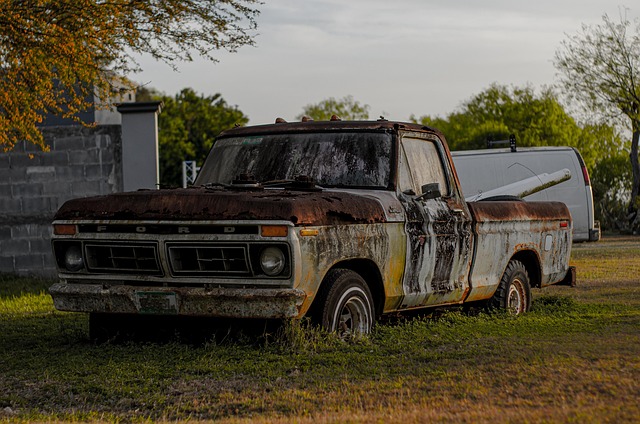
While many restorers focus on factory-correct appearances, others use truck short beds as a foundation for customization.
One popular modification involves widening the wheel tubs to accommodate larger wheels and tires.
For example, products like the 1967-1972 Chevy C/K 10 Truck Short Bed Kit w/ Custom Steel Floor and 2" Widened Tubs or with 4" Widened Tubs allow builders to create a more aggressive stance while maintaining a clean appearance.
These upgrades have become particularly common on:
The result is a truck that combines classic styling with modern customization trends.
Installing a truck bed involves more than simply bolting parts together.
Proper alignment affects:
Even high-quality components require careful installation and adjustment to achieve professional results.
Many experienced builders perform multiple test fits throughout the restoration process to ensure everything aligns correctly before final paint and assembly.
Patience during this stage often makes a significant difference in the finished product.
Because truck beds are frequently removed during restoration projects, many owners choose to replace related components at the same time.
Common upgrades include:
Combining these repairs into a single phase of the project often saves time and helps ensure a more complete restoration.
Owners looking for additional 67-72 chevy truck parts often address these supporting components while the bed is already disassembled.
Truck bed projects can become more difficult than expected when shortcuts are taken.
Some common mistakes include:
Damage underneath the bed floor is often worse than what is visible on top.
Final assembly without proper alignment checks can create fitment issues later.
Old hardware frequently causes unnecessary problems during reassembly.
Structural integrity should always be addressed before cosmetic improvements.
Using mismatched parts can create installation and alignment challenges.
Whether you're restoring a factory short bed or building a custom truck from the ground up, the bed plays a major role in the truck's appearance, functionality, and overall value.
The popularity of truck short beds continues because they offer an ideal balance of style and practicality. They provide the proportions many enthusiasts prefer while also serving as a versatile foundation for both stock restorations and custom builds.
By choosing quality components, planning the project carefully, and addressing structural issues before cosmetic upgrades, you can create a truck that not only looks impressive but remains enjoyable to own and drive for years to come.
Yes, many classic Chevy truck owners convert long bed trucks into short beds. The process typically involves shortening the frame, relocating mounting points, modifying driveline components, and installing the appropriate short bed assembly. While the conversion requires careful planning and precise measurements, it is a common modification among builders looking to achieve the proportions and appearance of a factory short bed truck.
The exact parts depend on the truck and conversion method, but most projects require a short bed assembly, bed mounting hardware, rear frame modifications, updated fuel filler components, and related brackets. Many builders choose complete conversion kits or replacement bed assemblies to simplify the process and ensure better fitment. Having all necessary components before starting the project can save significant time during installation.
High-quality aftermarket short bed frames and conversion kits can be very reliable when sourced from reputable manufacturers. Properly engineered kits are designed to fit correctly and maintain structural integrity while simplifying the conversion process. As with any restoration component, choosing quality parts and following proper installation procedures plays a major role in the long-term success of the project.
Can't find what you need for your Classic Vehicle? Give us a call at: (336) 337-2132
