
Supply chain issues may cause delays.
Click for details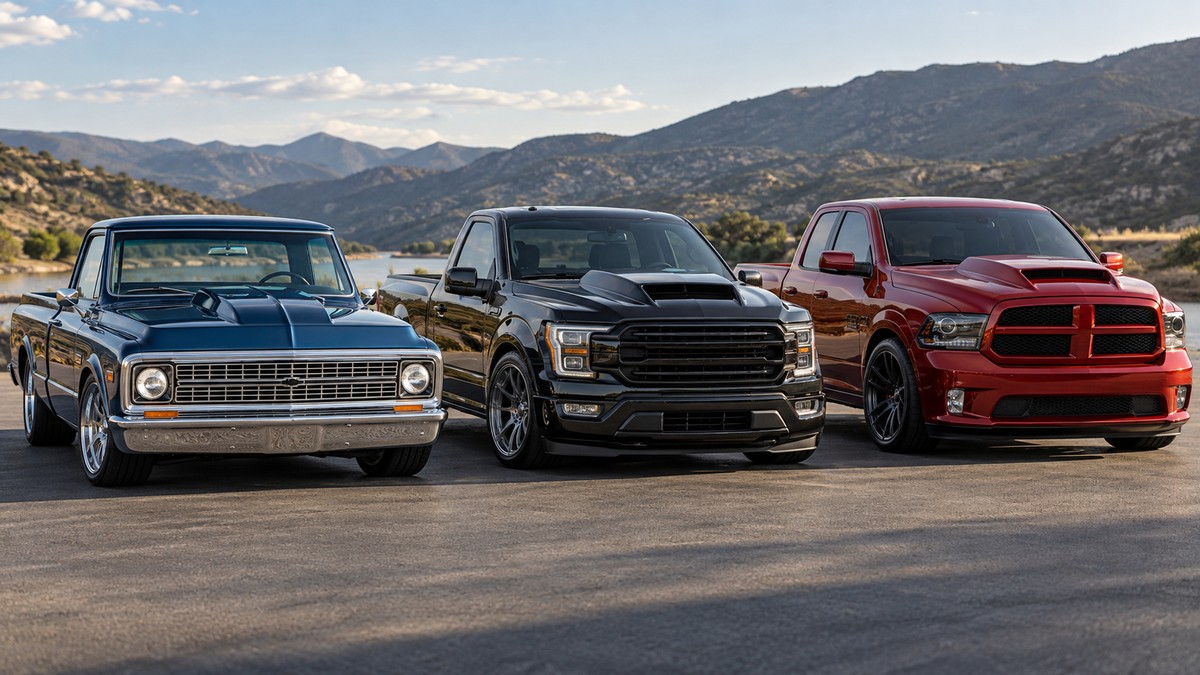
A truck cowl hood can completely change the appearance of a pickup. The raised center section adds a more aggressive profile, gives the front end a stronger performance-inspired look, and can work well on everything from classic street trucks to modern custom builds.
But choosing a truck cowl should involve more than deciding which hood looks best in a photo.
Different designs can vary significantly in height, airflow characteristics, underhood clearance, material, fitment, and overall appearance. A hood that looks perfect on a lowered Chevy street truck may not be the right choice for a lifted Ford or a mostly stock Dodge restoration.
Before ordering, it helps to understand what cowl hoods are designed to do, how they differ from Ram Air hoods, and what needs to happen between delivery and final paint.
A cowl hood features a raised section in the center or rear portion of the hood. Depending on the design, the cowl may extend from the front of the panel toward the windshield or become more pronounced toward the rear.
The design can serve several purposes.
Many owners install one primarily for appearance. A raised cowl adds visual height and can make the truck look more performance-oriented.
Other applications may use the additional space to accommodate taller engine components or support improved airflow around a modified engine compartment.
Carolina Classic Trucks offers truck cowl and Ram Air hood options for several manufacturers, including Chevy, GMC, Ford, Dodge, Jeep, and additional truck applications.
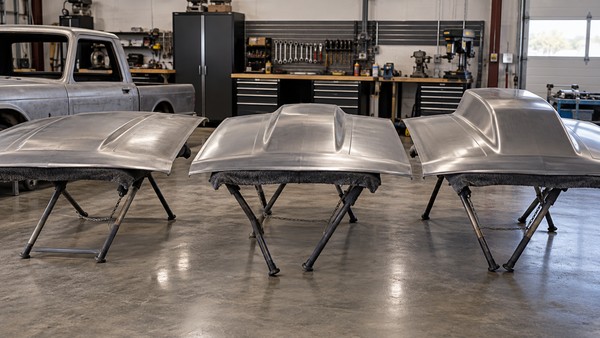
Although the terms are sometimes used interchangeably, cowl and Ram Air designs are not necessarily the same.
A traditional cowl hood usually uses a raised section that extends rearward toward the windshield.
The design may help with underhood airflow depending on the application, but it is also extremely popular simply because of the muscular appearance it gives a truck.
A Ram Air-style hood generally uses forward-facing openings, scoops, or channels designed to create a more aggressive look and potentially direct air toward the engine compartment or intake system.
Some hoods combine both styles, using a raised cowl along with additional scoop or Ram Air elements.
The right design depends largely on your truck and the type of build you're creating.
Fitment should always come before styling.
Large body panels are not universal. Even trucks from the same manufacturer may use completely different hood designs between generations.
Before shopping, identify:
Model-year transitions can create additional confusion. Manufacturers sometimes continue an older body style while introducing a newer generation during the same calendar period.
The linked hood category organizes available options by manufacturer and application, which is important because cowl and Ram Air hoods can date back decades across different domestic truck platforms.
Always verify the individual application before ordering.
One of the biggest decisions is how tall the cowl should be.
A smaller cowl often creates a subtle factory-plus appearance. It works particularly well on street-driven trucks where the owner wants something noticeable without making the hood the dominant visual feature.
A taller cowl creates a much stronger appearance.
That can work well with:
The key is proportion.
A 4-inch cowl may look right at home on a highly modified street truck but overpower an otherwise stock pickup.
Think about the finished truck instead of evaluating the hood by itself.
A common reason owners choose a cowl hood is additional engine clearance.
That can be a legitimate benefit, but advertised cowl height does not automatically tell you how much usable space exists underneath.
The actual clearance depends on:
If your truck has a taller intake, engine swap, supercharger, or another modification that creates clearance concerns, measure before ordering.
Identify where the highest engine component sits and compare that location with the internal design of the hood.
Do not assume a 4-inch exterior cowl provides four inches of additional clearance throughout the engine compartment.
The Carolina Classic Trucks hood category notes that cowl-induction and Ram Air hoods can complement upgraded engines and intake systems and may help with airflow or underhood heat management depending on the design.
That does not mean simply installing a cowl hood guarantees more horsepower.
Performance depends on how the hood interacts with the truck's intake and engine setup.
For a functional induction system, airflow must actually reach the intake in a controlled and useful way.
For many street trucks, the hood's primary benefits will still be appearance and, in some cases, additional clearance or improved underhood air movement.
Many aftermarket truck hoods are available in steel, while some applications may also use fiberglass or other materials.
Steel has several advantages for a street-driven truck:
Fiberglass may offer different designs or lower weight, but it can require additional fitting and finishing.
Mounting requirements may vary as well.
Always check whether the exact hood is designed for factory hinges and latches or requires special hardware.
A new hood can only fit as well as the body around it.
Before ordering, inspect:
Older trucks often have a history of collision repairs, panel replacements, or previous customization.
If the current hood already sits unevenly, determine why.
A new panel will not automatically correct a bent hinge, misaligned fender, or damaged core support.
The linked category states that all truck hoods ship by truck freight.
That means delivery inspection should be considered part of the project.
When the hood arrives, inspect the packaging for:
Then examine the actual hood, following the seller's freight instructions.
Pay close attention to:
Document anything questionable before completing the delivery paperwork.
Large sheet-metal panels can be damaged by impacts that might not look severe from the outside of the packaging.
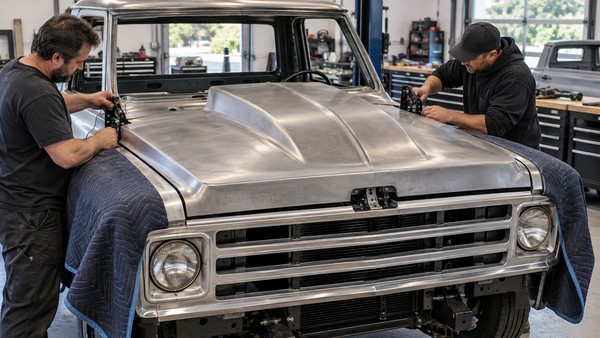
A replacement hood should be installed in unfinished form before any final paintwork begins.
Check:
Never force the hood shut if the latch does not align.
Small hinge adjustments can create large changes at the opposite end of the panel.
Because truck hoods are large and awkward, two people should generally handle installation to reduce the chance of scratching the fenders or damaging the new panel.
Inspect the:
Worn hardware can make even a good replacement hood look poorly fitted.
If the factory hood has always sat too high, sagged on one side, or been difficult to close, correct those issues before finalizing the new installation.
Replacement body panels normally require preparation before final color.
Depending on the hood and paint system, that may include:
Talk to the body shop before modifying any coating already on the hood.
The underside should also be planned before painting. Some builders choose body color for a finished show-truck appearance, while others prefer a simpler durable coating.
The best cowl hood is not always the tallest or most aggressive one.
It is the one that supports the rest of the build.
A mild street truck may look better with a restrained cowl. A heavily modified performance build may support a taller hood or a more dramatic Ram Air design.
If you're comparing other custom truck parts, consider how the suspension, wheels, grille, bumper, paint, and hood will work together.
A cohesive build usually looks better than one made from individually impressive parts with no shared design direction.
Avoid these common problems:
Planning ahead prevents most of these issues.
A cowl-induction or Ram Air hood can be one of the most noticeable upgrades on a truck.
It can add a more aggressive appearance, complement performance modifications, potentially help with underhood airflow, and provide additional clearance in some applications.
The key is choosing the right hood rather than simply the most dramatic one.
Start with the exact application. Decide how aggressive the truck should look. Measure if clearance matters. Inspect the existing front end and hardware. Prepare for freight delivery. Test-fit before paint.
When those steps are handled correctly, a truck cowl hood can look like a natural part of the build while giving the vehicle a completely different personality.
A cowl hood generally uses a raised center or rear section, while a Ram Air hood commonly incorporates forward-facing openings or scoops. Some aftermarket hoods combine elements of both designs.
It can, but usable clearance depends on the hood's internal construction and the location of the engine components. Advertised exterior cowl height should not be treated as a guaranteed amount of clearance underneath.
Potentially, but not automatically. Any performance benefit depends on how the hood design interacts with the engine, intake system, and airflow requirements. Many owners choose cowl hoods primarily for styling or clearance.
Can't find what you need for your Classic Vehicle? Give us a call at: (336) 337-2132
