
Supply chain issues may cause delays.
Click for details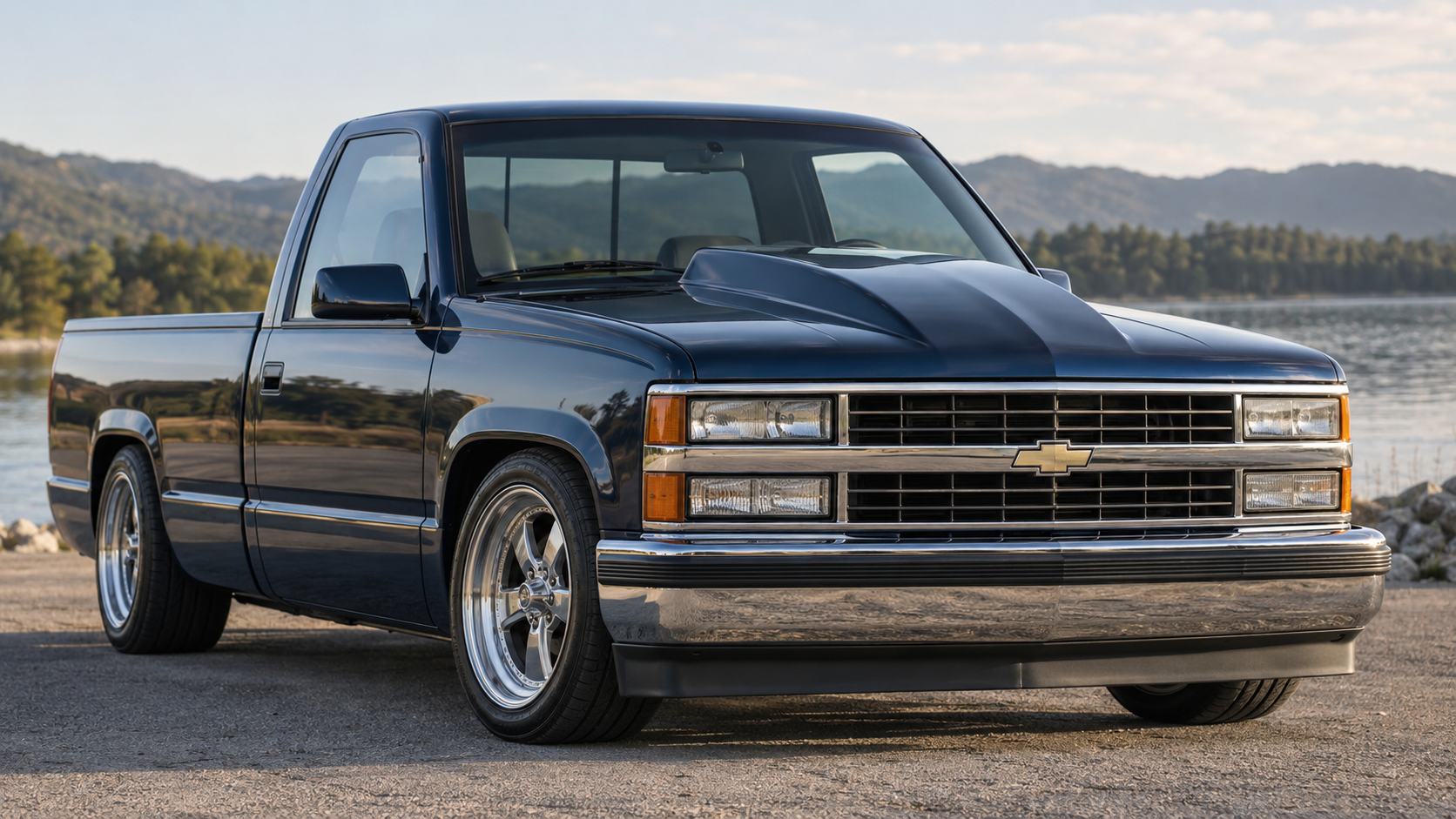
The 1988–1998 Chevy and GMC C/K trucks have become some of the most recognizable custom pickups from the late 20th century. Their straight body lines, simple front-end design, and strong aftermarket support make them ideal platforms for everything from mild street builds to more aggressive restomods.
One upgrade that dramatically changes the appearance of these trucks is a 4 inch cowl hood 88-98 Chevy truck owners can install in place of the factory hood.
A 4-inch cowl is not subtle. It adds significant height through the center of the hood and becomes one of the first things people notice when they see the truck. That can be exactly what a performance-oriented build needs, but it also means the rest of the truck should support the more aggressive appearance.
Before ordering one, it helps to understand what a 4-inch cowl changes, what it does not guarantee, and what is involved in installing and finishing such a large replacement body panel.
A standard factory hood follows the relatively flat body lines of the OBS Chevy front end. A 4-inch cowl adds a tall raised section extending toward the windshield.
Compared with a smaller 2-inch cowl, the additional height creates a much more noticeable profile.
A taller cowl tends to work especially well on trucks with:
The added height can give the truck a stronger muscle-truck appearance without replacing the grille, fenders, or bumper.
Owners considering a 4 inch cowl hood for an 88-98 Chevy truck should compare it with the smaller cowl and other hood styles available for this generation before deciding which design best fits the build.
Not necessarily, but the answer depends heavily on the rest of the vehicle.
A 4-inch cowl can look right at home on a truck with a lowered stance, large wheels, upgraded suspension, or obvious performance modifications. On a completely stock truck with factory wheels and ride height, the hood may dominate the appearance more than some owners expect.
Think about proportions rather than treating cowl height as a competition.
A 2-inch cowl adds character while remaining relatively restrained. A 4-inch version makes the hood itself a major styling feature.
You should also consider the view from behind the wheel. A tall cowl may be significantly more visible from the driver's seat than a factory hood. That does not mean it will create a problem, but owners who have never driven a truck with a tall cowl should understand that the view over the hood will change.
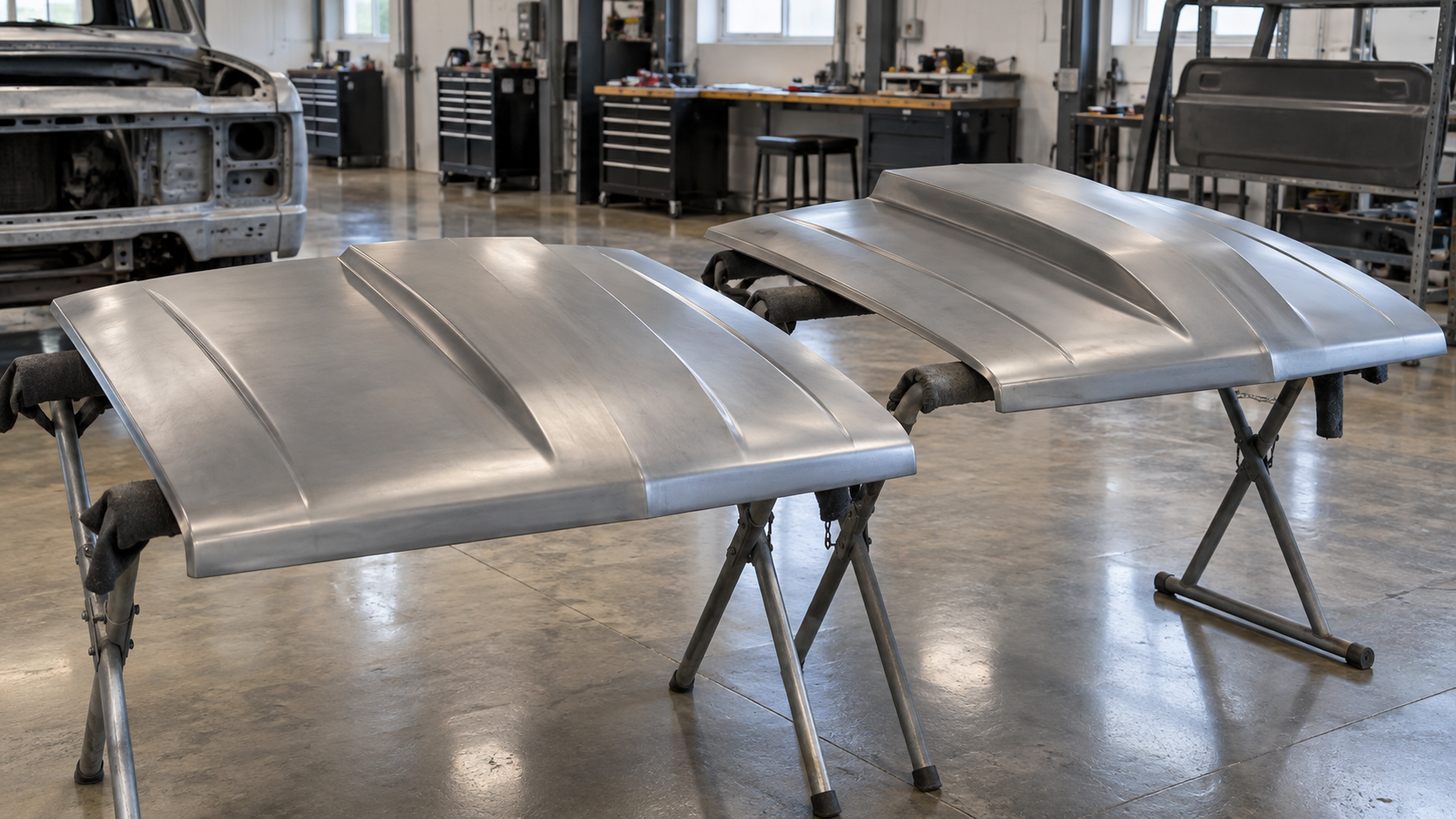
This is one of the most important misconceptions to avoid.
A 4-inch exterior cowl does not necessarily create four additional inches of usable space everywhere underneath the hood.
The actual clearance depends on:
If you're buying a taller hood because of a modified engine, intake manifold, carburetor setup, supercharger, or engine swap, measure the existing clearance carefully first.
Identify the highest point of the engine setup and determine exactly where it falls beneath the hood.
If clearance is critical, confirm the internal dimensions of the exact hood before ordering rather than assuming the advertised cowl height tells the entire story.
The 1988–1998 Chevy/GMC generation is often called OBS, or old body style. Some 1999 Classic trucks continued using this earlier body design as Chevrolet transitioned to the newer platform.
The linked Carolina Classic Trucks category covers 1988–1998 Chevy/GMC trucks, 1999 Classic old-body-style trucks, and certain Tahoe, Yukon, and Suburban applications.
Before ordering, verify:
Previous collision repairs can complicate things. If a truck has been repaired with aftermarket or incorrectly aligned front-end components, a replacement hood may reveal existing panel-gap problems.
Inspect the truck before assuming that every alignment issue will disappear with new sheet metal.
The specific 4-inch cowl option currently listed by Carolina Classic Trucks is a steel cowl-induction-style hood.
Steel can be a good fit for street-driven trucks because it provides a substantial feel similar to factory sheet metal. Body shops are also accustomed to working with steel panels, which makes traditional preparation and refinishing straightforward.
Still, new steel sheet metal should not be confused with finished sheet metal.
Expect to:
A replacement hood is a starting point for bodywork, not the end of the process.
Large hoods typically ship by truck freight because of their size. Carolina Classic Trucks specifically instructs customers buying from this hood category to select truck freight during checkout.
That makes delivery inspection important.
Look over the packaging for:
Follow the seller's freight instructions closely and inspect the actual hood when required before signing.
Focus on the:
Take photographs if there is any sign of damage.
A hood is too large and expensive to treat like a normal parcel delivery. Spending a few extra minutes inspecting it can prevent a much bigger headache later.
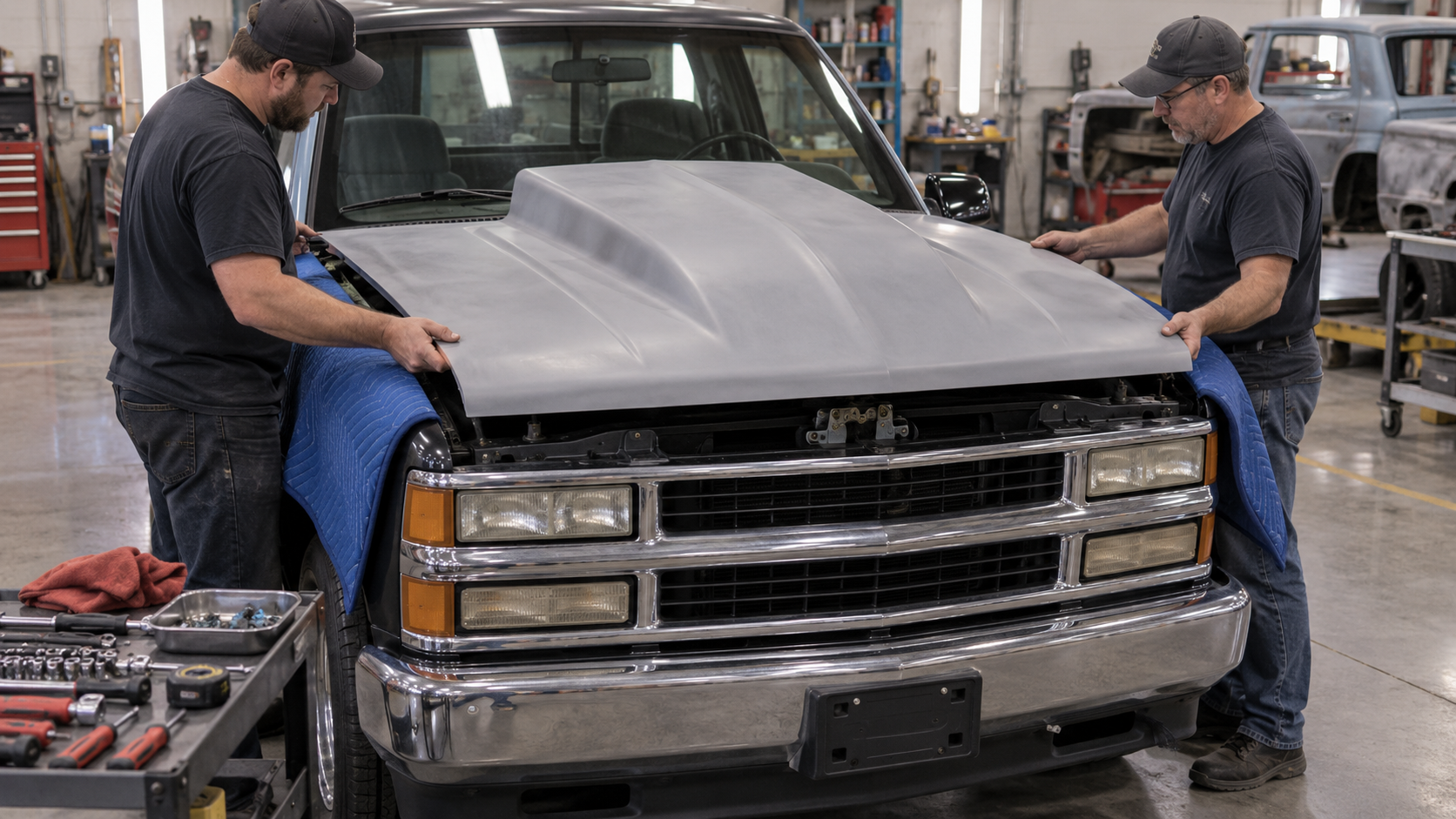
Never paint a replacement hood before confirming how it fits the truck.
Install the unfinished hood and carefully evaluate:
Don't force the latch if it does not line up correctly.
A small hinge adjustment can dramatically change the position of the opposite end of the hood.
Having two people available is also strongly recommended. A steel truck hood is large and awkward, and trying to handle it alone increases the risk of scratching the fenders or damaging the hood.
Your new hood will only align as well as the hardware supporting it.
Inspect the existing:
A worn hinge can cause the hood to sit too high, sag, or create uneven gaps.
If the original hood has always been difficult to close or sits unevenly, diagnose that problem before installing the replacement.
This is also the ideal time to clean and restore areas around the hinges and cowl that are normally hidden.
Because a 4-inch cowl is so noticeable, the condition of surrounding components matters.
Take a look at the:
You do not need to replace everything. Often, cleaning or properly aligning existing components is enough to make the new hood look more finished.
Owners comparing other cowl hoods should think of the hood as part of an overall exterior theme rather than an isolated upgrade.
A coordinated build nearly always looks better than one assembled from unrelated modifications.
Avoid several common problems:
Planning ahead eliminates most of these issues.
A 4-inch cowl hood can completely change the personality of an OBS Chevy truck. It adds height, creates a more muscular profile, and works especially well on trucks already moving toward a performance or custom street-truck appearance.
The key is making sure the hood fits the rest of the build.
If you want a subtle upgrade, a smaller cowl may make more sense. If your truck already has the stance, wheels, drivetrain, or styling to support a bold hood, the 4-inch design can become one of the strongest visual elements on the entire truck.
Verify fitment, measure carefully if engine clearance matters, inspect the hood at delivery, and test-fit everything before paint.
Handled correctly, a 4 inch cowl hood 88-98 Chevy truck upgrade can give an already popular body style a much more aggressive personality without losing the unmistakable OBS Chevy look.
Not necessarily. A 4-inch cowl works especially well on modified street trucks, lowered builds, and performance-oriented projects. Owners wanting a subtler factory-plus appearance may prefer a smaller cowl.
Not always. Exterior cowl height does not directly equal usable clearance underneath. Inner bracing, cowl shape, and the location of the engine components all affect the actual available space.
Application-specific steel hoods are generally designed around the intended truck's mounting arrangement, but the exact product requirements should always be confirmed. Inspect the factory hinges and latch for wear before installing a new hood.
Can't find what you need for your Classic Vehicle? Give us a call at: (336) 337-2132
