
Supply chain issues may cause delays.
Click for details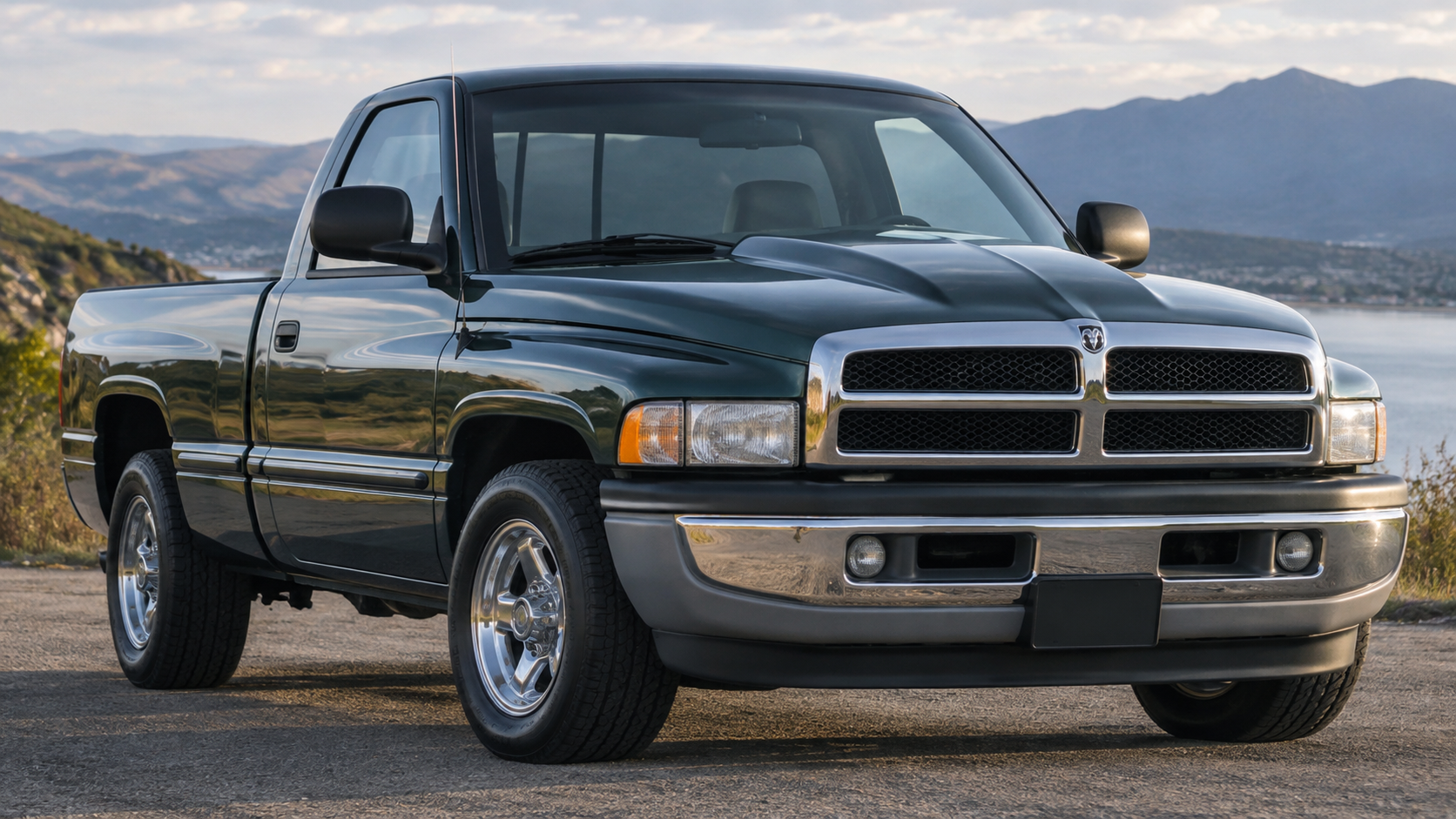
The second-generation Dodge Ram changed the truck market when it arrived in the 1990s. Its bold grille, raised fenders, and heavy-duty styling made it stand out immediately, and those trucks still have a loyal following today. For owners who want to sharpen that appearance even further, installing a cowl hood 2nd gen Dodge setup is one of the most noticeable exterior upgrades available.
A cowl hood can add a more aggressive performance look without completely changing the truck’s original identity. But choosing the right hood involves more than picking the tallest or most dramatic design. Fitment, construction, installation, shipping, paint preparation, and the condition of the existing front end all matter.
For a 1994–2001 Ram, a properly chosen hood can make the truck look substantially more modern while still fitting the character of the original design.
The second-generation Ram already has a tall, sculpted front end. That makes it a natural candidate for a raised cowl hood because the added height tends to complement the existing body lines instead of looking out of place.
A cowl hood works especially well on trucks with:
Even a mostly stock truck can benefit from a modest cowl because it adds definition to the hood without requiring additional body modifications.
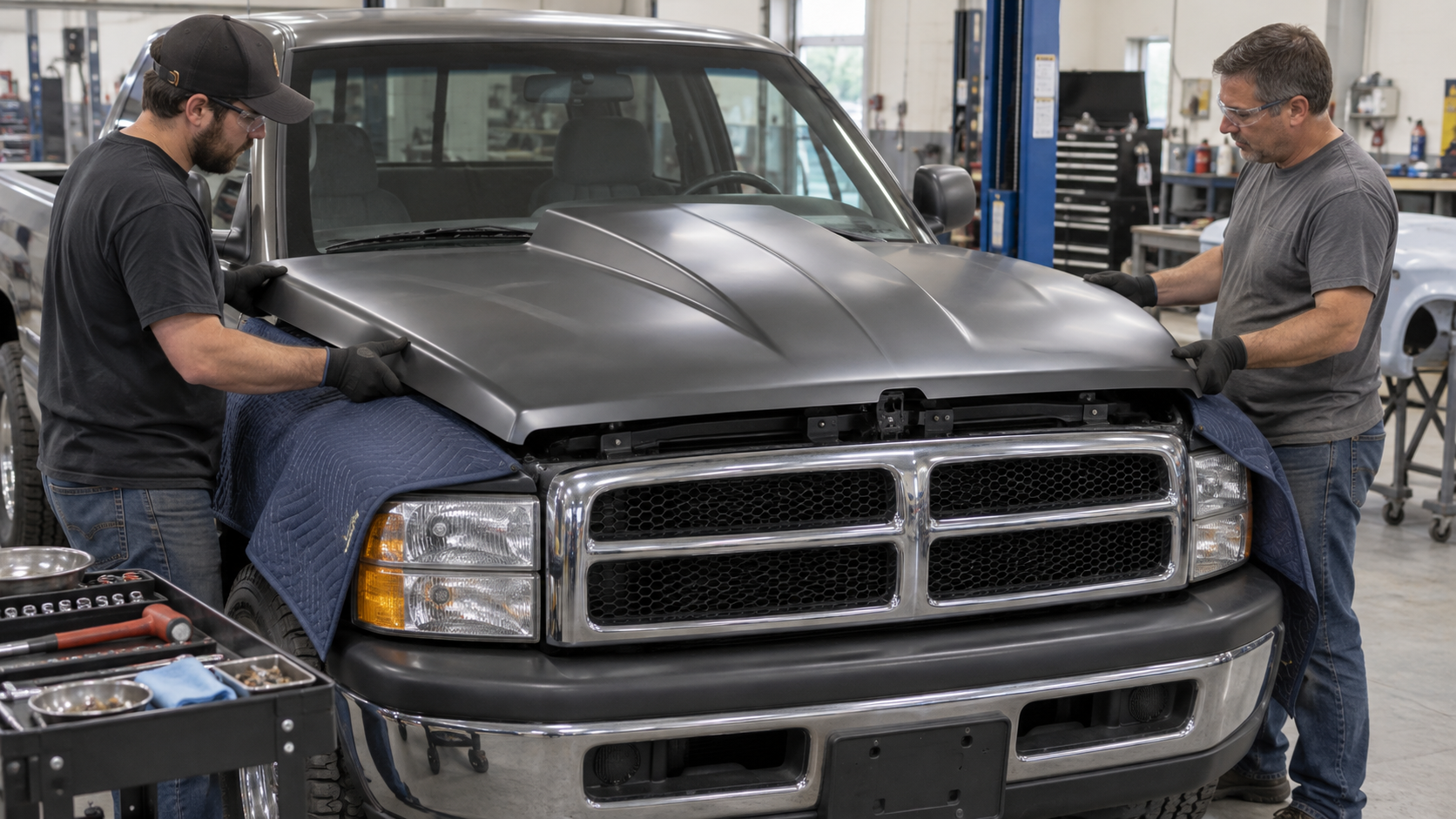
The specific cowl hood for a 2nd gen Dodge linked here is a 2-inch steel cowl-induction hood designed for 1994–2001 Dodge Ram pickups.
For many street-driven second-gen Rams, yes.
A 2-inch cowl provides a noticeable change without dominating the entire truck. It adds height to the center of the hood and creates a more muscular profile, but it still works well with trucks that retain otherwise restrained styling.
That makes it a strong choice for:
A taller cowl can work on more aggressive builds, but bigger is not automatically better. The hood should fit the proportions of the truck and the direction of the overall build.
One reason some owners shop for cowl hoods is to gain additional room for engine modifications.
A raised hood may provide extra clearance in certain areas, but the advertised cowl height does not guarantee the same amount of usable space beneath the entire panel.
Actual clearance depends on:
If you are installing a taller intake, engine swap, supercharger, or another component that creates a clearance issue, measure carefully before ordering.
The safest approach is to identify the highest point of the engine and determine where it sits relative to the raised section of the replacement hood.
The linked KeyParts hood is made from steel and arrives with an EDP coating. The product page also lists it as a bolt-on application.
Steel offers several practical advantages for a regularly driven truck:
For owners who want a permanent exterior upgrade rather than a lightweight race-style panel, steel is often the most practical choice.
Still, “bolt-on” does not mean “install and paint immediately.” Large body panels almost always benefit from test-fitting and adjustment before finishing.
Before ordering a replacement hood, take a close look at the truck you already have.
Inspect:
Second-generation Rams are now old enough that many have been involved in collisions, repairs, or front-end modifications. A replacement hood may be perfectly manufactured but still appear to fit poorly if the surrounding bodywork is out of alignment.
This is particularly important if the factory hood already sits unevenly. Determine whether the problem comes from the hood itself or from worn hinges, bent mounting points, or misaligned sheet metal.
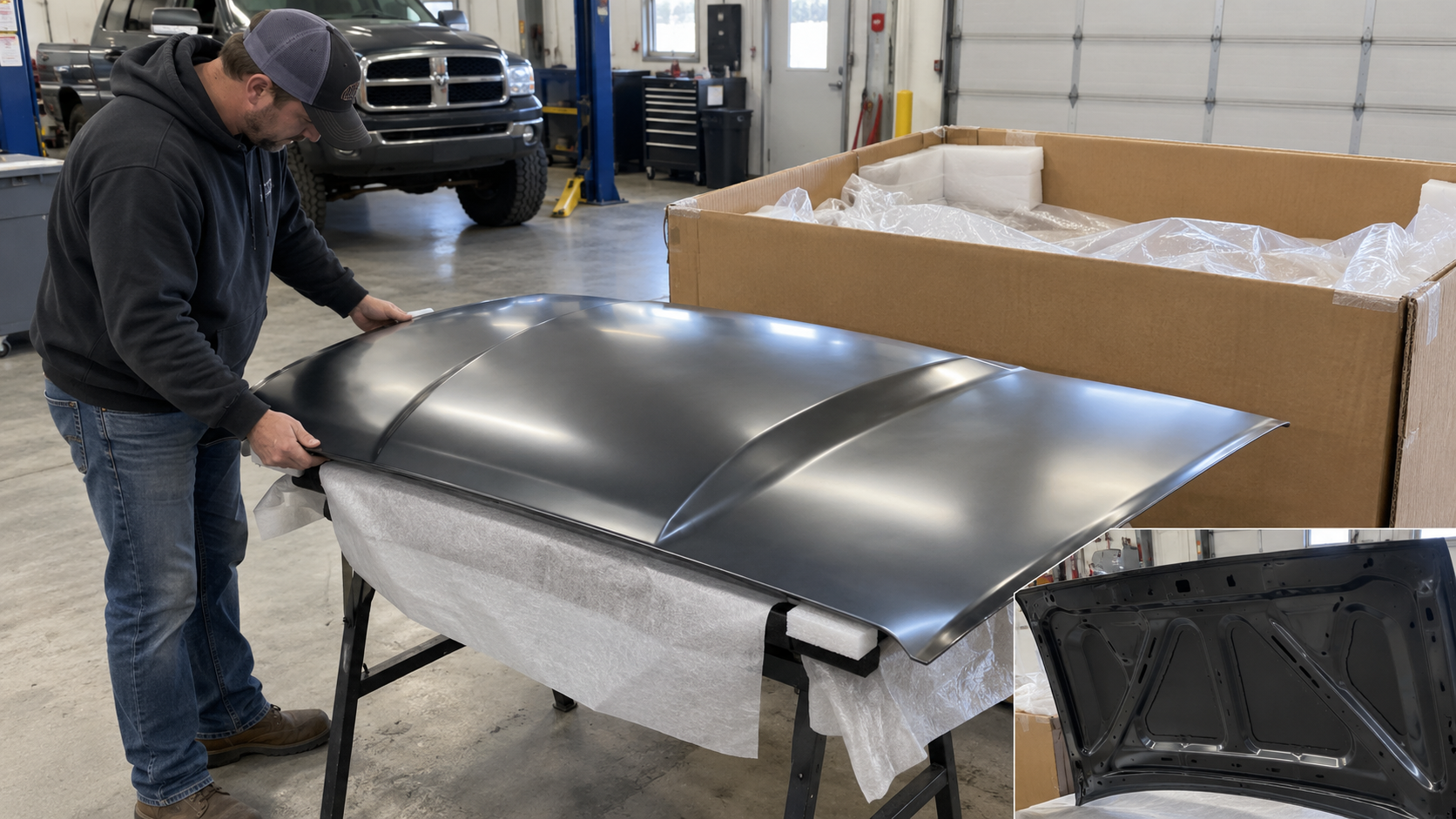
The KeyParts hood is identified as a truck-freight item. Carolina Classic Trucks also requires customers to inspect freight before signing for it. The page specifically instructs buyers to open the box, inspect the item, photograph damage, and refuse a damaged shipment rather than signing for it.
That makes delivery inspection one of the most important parts of the buying process.
Look closely at:
Also inspect the packaging for:
Do not rush through this step. Large sheet-metal panels can be damaged during transportation even when they were perfect when they left the warehouse.
One of the most important rules with any replacement hood is simple: install it before painting it.
During the initial test fit, check:
Do not force the hood closed if the latch is not aligned properly.
Small adjustments at the hinges can create significant changes at the front corners. Take your time and make sure the hood opens and closes smoothly before moving on to paint preparation.
Having two people available for removal and installation also reduces the chance of scratching the fenders or damaging the new panel.
A new hood deserves good hardware underneath it.
Before completing the installation, inspect:
If the original hood was difficult to close, sat too high, or had uneven panel gaps, worn hardware may be part of the problem.
Replacing or repairing those components while the hood is already off can save considerable time later.
The EDP coating on the new hood is intended to protect the steel, but the panel still needs proper preparation before final paint.
Depending on the painter and paint system, preparation may include:
Talk with the body shop before sanding or modifying the existing coating. The shop should determine the proper preparation method for the materials being used.
The underside should also be planned in advance. Some owners paint it body color for a more finished appearance, while others use a durable contrasting finish.
A cowl hood is a major visual component. Once installed, it can make surrounding parts more noticeable.
Take a look at:
You do not need to replace everything around the hood. Often, cleaning, restoring, or aligning existing components is enough.
Owners considering other custom truck parts should think about how each modification supports the finished truck rather than adding unrelated parts one at a time.
The best second-gen Ram builds usually have a clear direction.
A few simple mistakes can make an otherwise straightforward hood upgrade much more frustrating.
Avoid:
A little planning prevents most of these problems.
For owners who want a stronger, more distinctive front-end appearance, a cowl hood is one of the most effective changes available for a second-generation Ram.
A 2-inch cowl is especially versatile because it creates a noticeable difference without becoming excessively tall. It works with mild street builds, performance projects, and even trucks that remain fairly close to stock.
The key is treating the hood like a body panel rather than a simple accessory. Verify fitment, inspect the freight shipment carefully, test-fit everything before paint, and make sure the existing hinges and latch are in good condition.
Handled correctly, a cowl hood 2nd gen Dodge upgrade can make a 1994–2001 Ram look sharper and more aggressive while still preserving the unmistakable styling that made these trucks popular in the first place.
The linked KeyParts hood is designed for Dodge Ram pickups from 1994 through 2001. Always verify your exact application before ordering, especially if the truck has previous front-end modifications.
The linked hood is listed as a bolt-on application, but the existing hinges, latch, and surrounding sheet metal should still be inspected before installation. Adjustment may be necessary to achieve proper panel gaps.
Not automatically. A cowl hood may provide additional clearance or support certain intake configurations, but any performance benefit depends on the specific engine and airflow setup rather than the appearance of the hood alone.
Can't find what you need for your Classic Vehicle? Give us a call at: (336) 337-2132
