
Supply chain issues may cause delays.
Click for details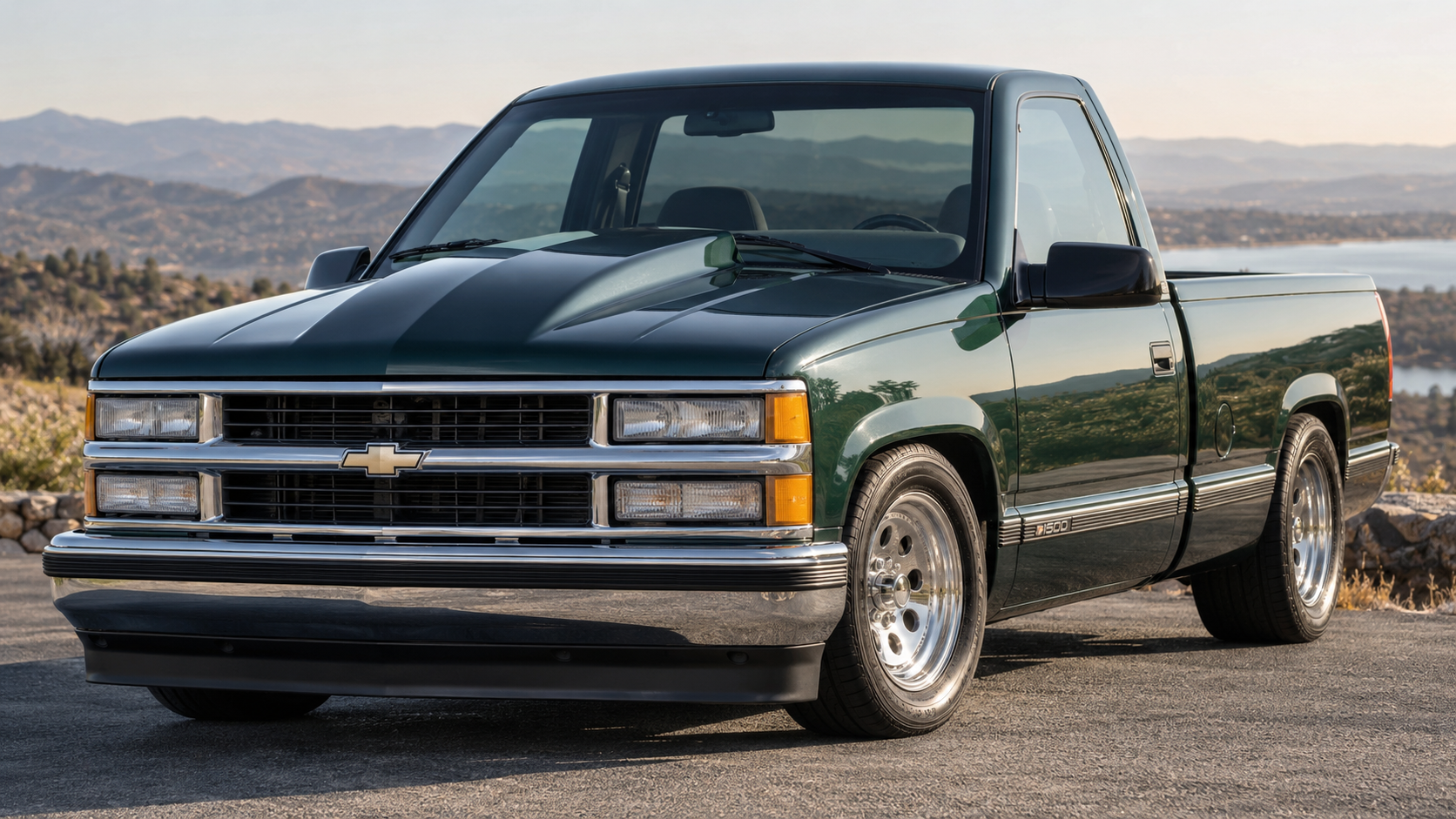
The 1998 Chevy Silverado sits at the end of one of the most popular Chevy truck generations ever built. Often grouped into the OBS, or old body style, family, these trucks remain popular because of their simple mechanical layout, clean styling, and strong aftermarket support. For owners restoring or customizing one, replacing the hood can make a dramatic difference in the finished truck.
A new 1998 Chevy Silverado hood may be needed because of rust, collision damage, dents, or years of wear. Other owners replace an otherwise usable factory hood simply because they want a more aggressive cowl-induction or Ram Air-style design.
Whichever direction you're taking, a hood replacement deserves careful planning. The panel is large, highly visible, and closely tied to the alignment of the fenders, grille, hinges, and latch. Before ordering, it helps to know what styles are available and what to expect during installation and finishing.
There are two main reasons owners replace the hood: restoration and customization.
For restoration projects, the original panel may have:
In those cases, replacing the hood may be easier than trying to repair severely damaged sheet metal.
For custom builds, the hood is often changed because it has such a major impact on appearance. A raised cowl or Ram Air design can give the truck a stronger performance-oriented look without requiring a complete front-end conversion.
The linked 1998 Chevy Silverado hood category includes several designs for this generation, including 2-inch and 4-inch cowl hoods, a wider cowl, Ram Air styling, and dual-cowl/Ram Air configurations.
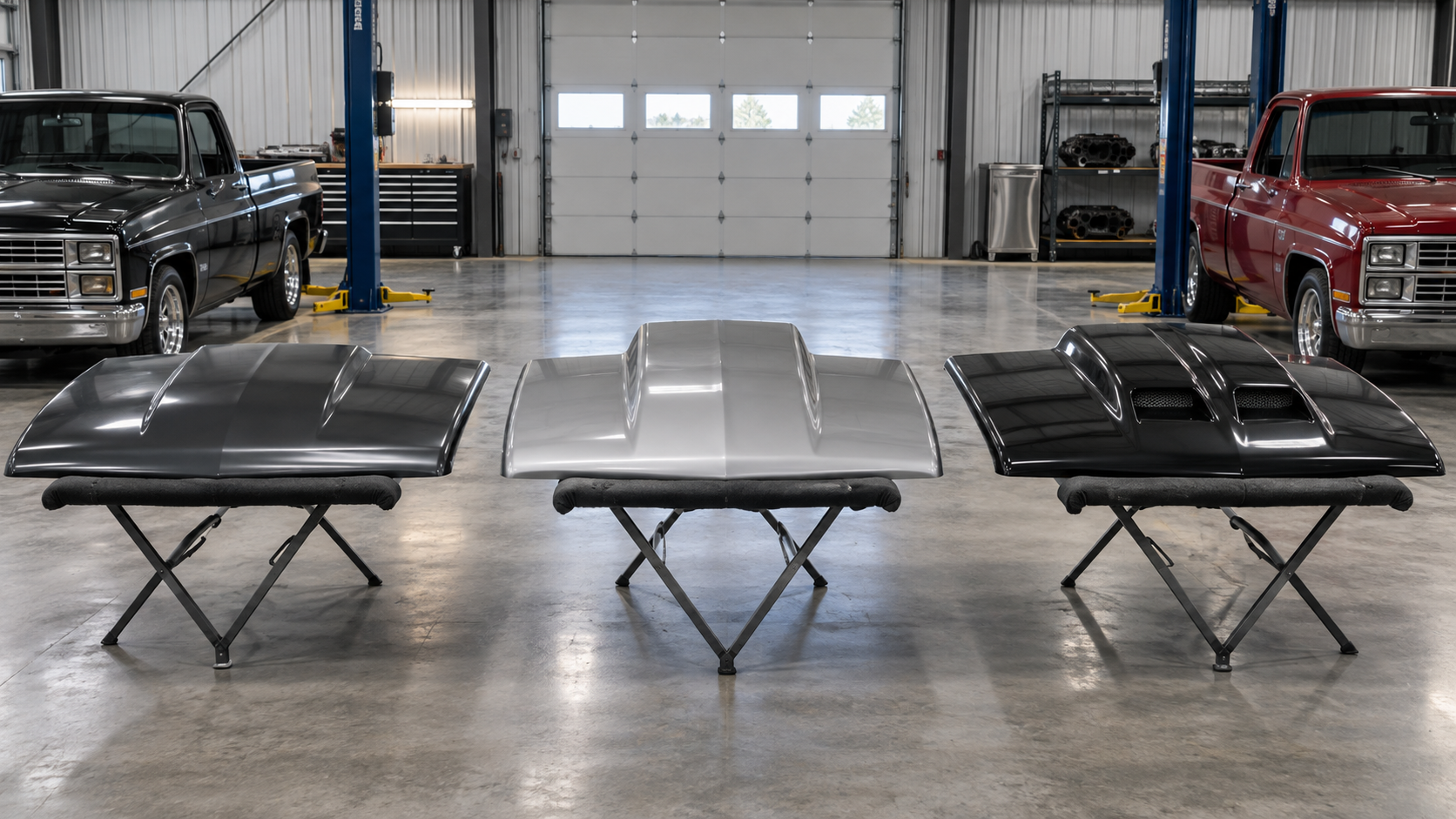
The first decision is whether you want to preserve the original appearance or change it.
A factory-style replacement makes sense when originality matters. It works well for:
A standard replacement restores the body lines without drawing additional attention to the hood.
A cowl hood raises the center section and gives the truck a more aggressive profile.
These are popular on:
A smaller cowl can remain fairly subtle, while a taller design becomes a major styling feature.
Ram Air designs add more complex contours or openings. They typically create a stronger visual statement than a traditional cowl.
These hoods can work especially well when the truck already has custom wheels, suspension changes, upgraded bumpers, or other exterior modifications.
If you decide on a cowl hood, height becomes an important choice.
A 2-inch cowl usually provides a cleaner, more restrained appearance. It can give the truck additional character without overwhelming the original OBS body lines.
A 4-inch cowl is much more noticeable. It tends to work best on trucks with a strong custom or performance theme.
The linked category currently lists both a 2-inch and a 4-inch steel cowl-induction hood for this generation.
The best option depends on the rest of the build. Bigger is not automatically better.
Some owners choose a cowl hood because they need additional space for engine modifications.
A raised hood may provide extra room, but the advertised cowl height does not automatically translate into the same amount of usable clearance underneath.
Actual clearance depends on:
If you're installing a taller intake, engine swap, supercharger, or other equipment, measure carefully before ordering.
The safest approach is to identify the highest point of the engine and determine exactly where it would sit beneath the replacement hood.
The 1998 Chevy truck is part of the OBS generation, but it is still important to confirm the truck's existing front-end configuration.
The linked category covers 1988–1998 Chevy/GMC trucks and also certain 1999 Classic old-body-style applications.
Before ordering, inspect:
Previous collision repairs can complicate fitment. A truck may already have misaligned fenders or a replacement core support that affects how a new hood sits.
A new panel will not automatically correct existing body alignment problems.
Large truck hoods typically ship by freight because of their size. The linked category specifically instructs buyers to select truck freight during checkout.
That means receiving the hood properly is part of the project.
Inspect the packaging for:
Then inspect the actual hood, paying close attention to:
Photograph anything questionable and follow the seller's freight procedures before signing for the shipment.
Taking a few extra minutes during delivery can prevent a much larger problem later.
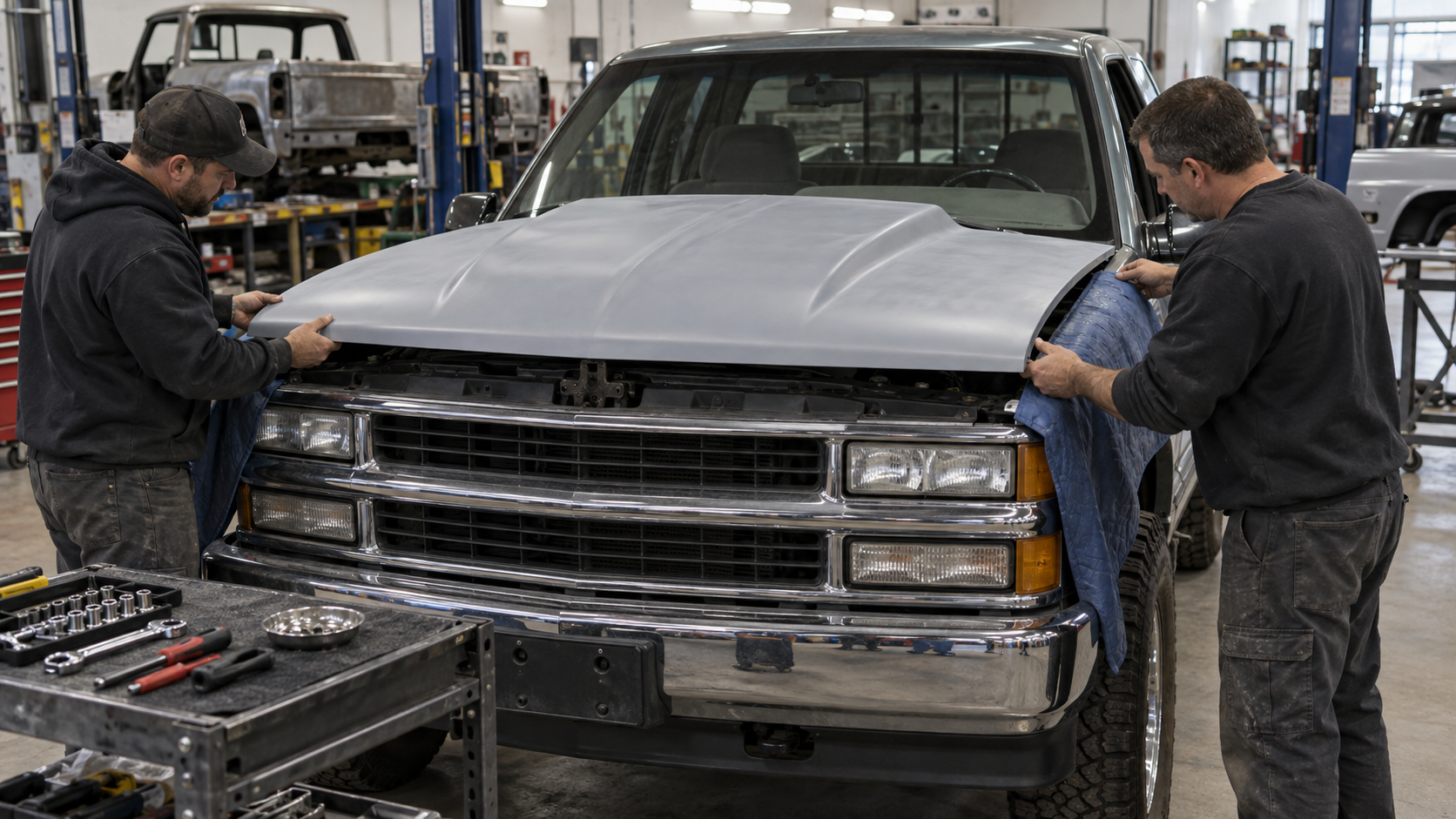
One of the most important rules with replacement sheet metal is simple: never paint before confirming fitment.
Install the unfinished hood and check:
Do not force the hood shut if the latch does not align.
Small adjustments at the hinges can create significant changes at the front corners.
Because the hood is large and awkward, having another person help with removal and installation is also a good idea. Protect the fenders and cowl area while working.
A replacement hood can only fit as well as the hardware supporting it.
Before final installation, inspect:
Worn hinges can make a good hood appear poorly manufactured. A damaged latch can create both fitment and safety concerns.
If the original hood has always been difficult to close or sits unevenly, determine why before installing the replacement.
A new steel hood should be treated as an unfinished body panel.
Even a quality replacement may require:
Talk with your painter before altering any coating already on the hood.
You'll also need to decide how the underside should be finished. Body color creates a more polished appearance, while a durable contrasting finish may make sense for a regularly driven truck.
If the entire truck is being repainted, matching the hood is straightforward.
If only the hood is being painted, the existing finish may no longer match the original factory color exactly.
Years of:
can change how the paint looks.
A professional body shop may need to adjust the color or blend the adjacent fenders so the replacement hood matches the rest of the truck more naturally.
A new hood immediately draws attention to everything around it.
Inspect the:
You do not necessarily need to replace these parts. Often, restoring or properly aligning the existing components is enough.
Owners comparing additional truck cowl induction hoods should think about the overall appearance of the truck rather than selecting modifications individually.
The best OBS Chevy builds usually look coordinated from front to back.
Avoid several common problems:
Most of these issues are preventable with careful planning.
A new hood can completely change the appearance of a 1998 Chevy truck.
A factory-style hood preserves the original look. A modest cowl adds character without going too far. A taller cowl or Ram Air design can become one of the strongest features on a heavily customized truck.
The right choice depends on what you want the finished vehicle to be.
Once you've chosen the style, verify fitment, inspect the freight shipment carefully, test-fit the hood before paint, and address any worn hinges or latch components before final installation.
Handled correctly, a replacement 1998 Chevy Silverado hood can improve both the appearance and overall quality of an OBS build while preserving the classic lines that continue to make these trucks so popular.
Available styles for this generation include traditional cowl-induction hoods, 2-inch and 4-inch cowl designs, wider cowl profiles, Ram Air hoods, and dual-cowl/Ram Air combinations.
Application-specific hoods are generally designed around the truck's existing mounting system, but the hinges and latch should still be inspected for wear. Adjustment may also be required during test fitting.
A 2-inch cowl offers a subtler street-truck appearance, while a 4-inch cowl creates a more aggressive look. The best choice depends on the truck's stance, other modifications, and whether additional underhood clearance is a concern.
Can't find what you need for your Classic Vehicle? Give us a call at: (336) 337-2132
