
Supply chain issues may cause delays.
Click for details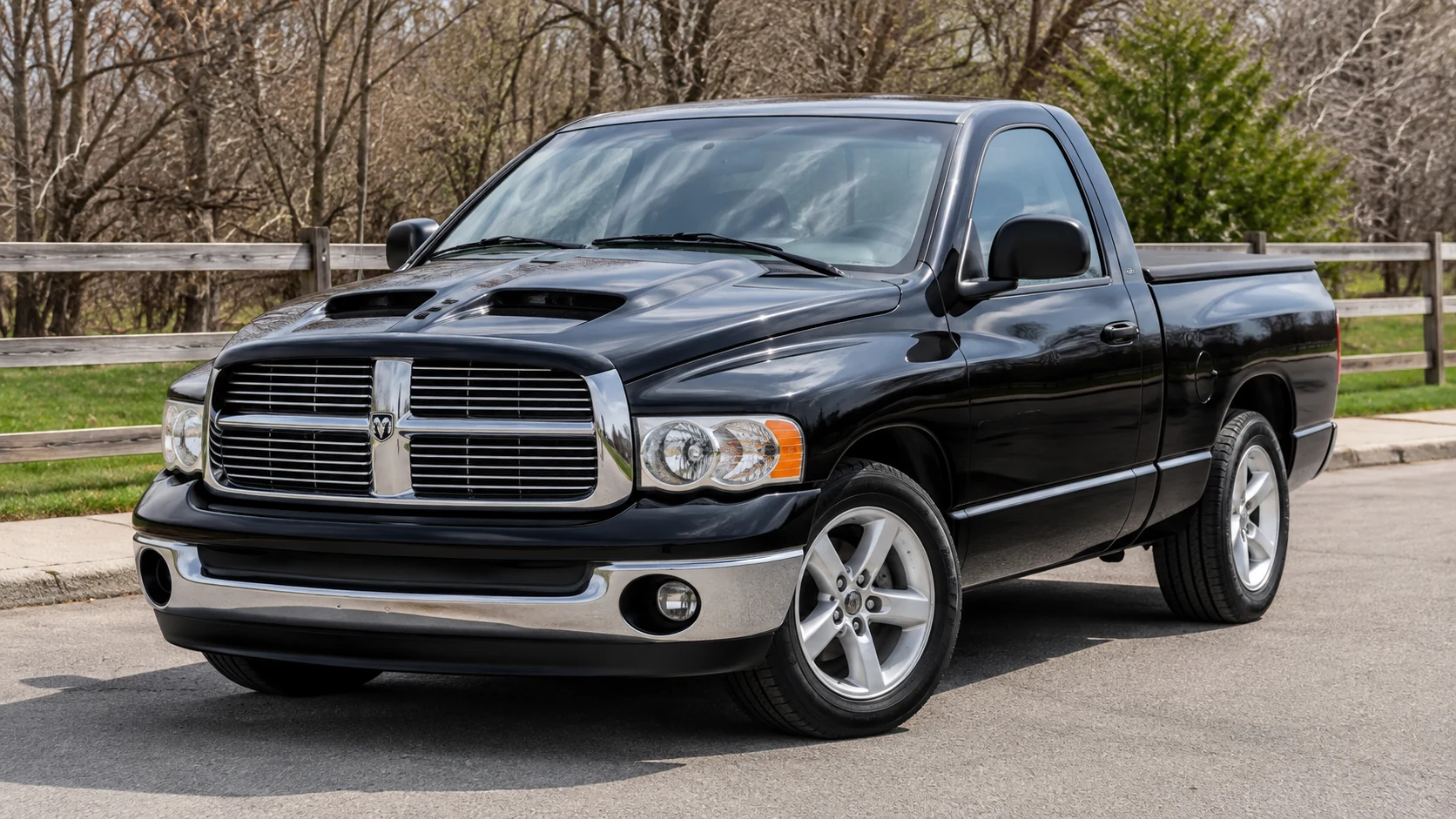
The third-generation Dodge Ram already has one of the most recognizable front ends of any 2000s pickup. Its large grille, tall body lines, and muscular styling give it plenty of presence even in factory form. For owners who want to make that appearance more aggressive, changing the hood is one of the most effective exterior upgrades.
Searching for a 2004 Dodge Ram hood scoop can lead to several different options, including raised cowl designs and Ram Air-style hoods. While these hoods may share the same basic goal of changing the truck's appearance, they can create very different results once installed.
Before ordering one, it helps to think beyond the scoop itself. Fitment, hood construction, freight delivery, installation, paint preparation, and the overall style of the truck all matter. Choosing carefully can mean the difference between a hood that looks like a natural part of the build and one that feels out of place.
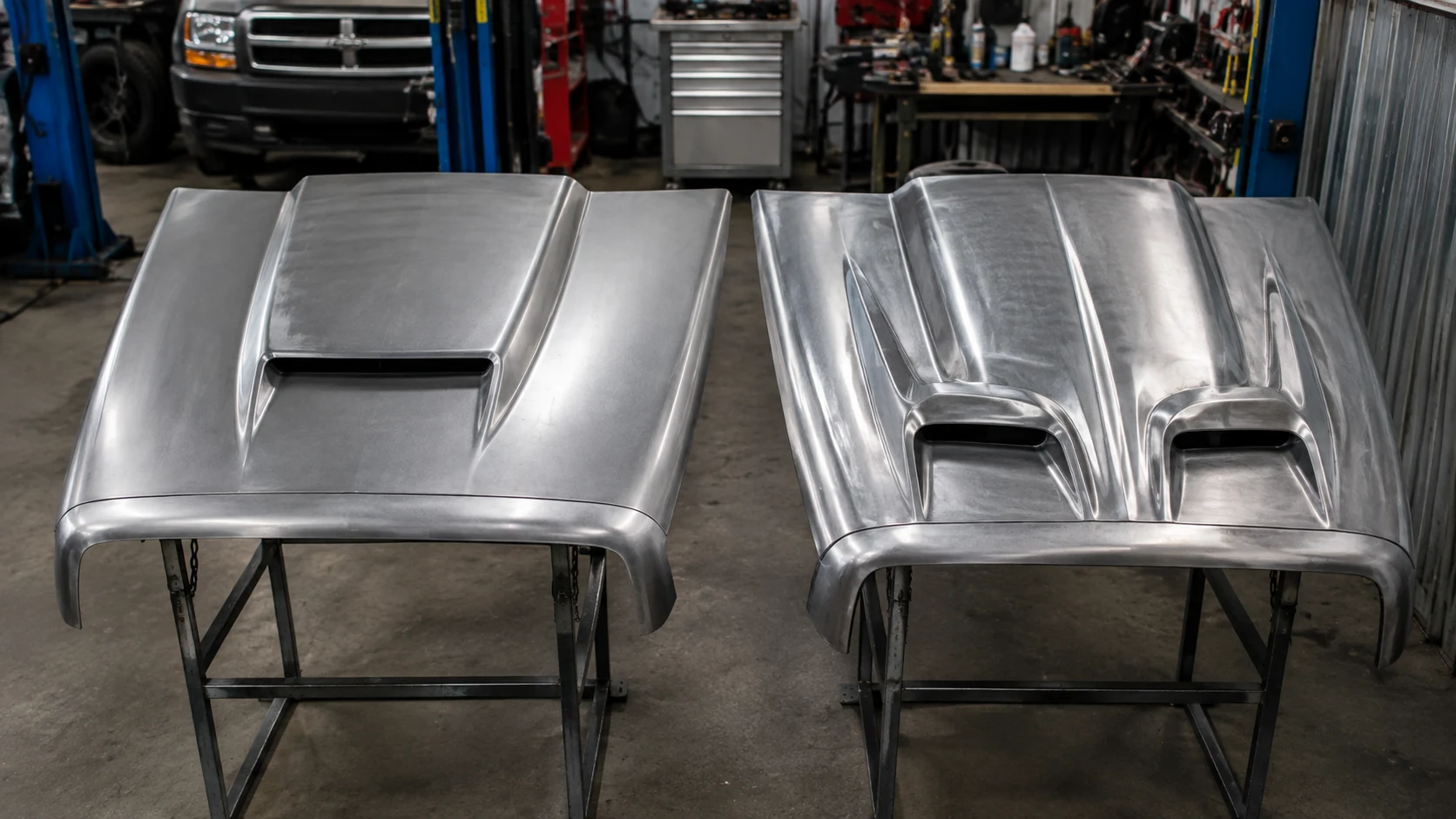
Truck owners often use terms such as hood scoop, cowl hood, and Ram Air hood interchangeably, but the designs aren't necessarily the same.
A traditional cowl hood usually features a raised section running through the center of the hood toward the windshield. This creates a taller, performance-oriented profile while maintaining relatively simple body lines.
A Ram Air-style hood typically incorporates more pronounced openings, scoops, or contours into the design. It can create a more aggressive appearance that works especially well on trucks with other exterior modifications.
When comparing options for a 2004 Dodge Ram hood scoop, consider how dramatic you want the finished truck to look rather than simply choosing whichever design has the largest scoop.
One of the biggest mistakes in customizing a truck is choosing each modification separately without considering how everything will look together.
A relatively stock 2004 Ram may look best with a clean cowl design that adds just enough height to make the hood noticeable. A truck with custom wheels, suspension changes, upgraded bumpers, or other body modifications may be able to carry a more aggressive Ram Air-style hood.
Think about the truck from several angles.
From the front, the hood needs to work with the oversized Dodge grille. From the side, the height of the cowl or scoop changes the entire profile. From behind the steering wheel, a taller hood may also be considerably more noticeable than it appears in product photos.
The best hood isn't necessarily the most dramatic one. It's the one that looks right with your specific truck.
The appearance of a performance hood doesn't necessarily mean it will increase horsepower or improve engine airflow.
Some hood designs are primarily cosmetic. Others may potentially work with a properly designed intake system, but simply installing a hood with an opening or raised section does not guarantee additional performance.
The same applies to engine clearance.
A taller exterior profile may provide additional room in certain areas, but internal hood bracing can affect usable space. If your Ram has a modified intake, engine swap, supercharger, or another component that creates clearance concerns, take measurements before ordering.
Determine where the highest engine component sits relative to the proposed scoop or cowl rather than assuming that additional exterior height automatically solves the problem.
Although a hood may be advertised for a range of Dodge Ram trucks, it's still important to verify your specific application before ordering.
Confirm:
This becomes even more important if the truck has had previous collision repairs or front-end modifications.
Older trucks sometimes have replacement fenders, grilles, core supports, or other panels that are slightly out of alignment. A new hood can expose those problems because panel gaps become much more noticeable when fresh sheet metal is installed.
Check the surrounding front end before assuming every alignment issue will be solved by replacing the hood.
For a regularly driven Ram, steel construction has several advantages.
Steel offers a substantial, factory-like feel and can be prepared using familiar automotive bodywork techniques. It also makes sense for owners who want a permanent street-truck upgrade rather than a lightweight race-oriented component.
However, don't mistake "new steel hood" for "finished hood."
Replacement sheet metal still needs proper inspection, test fitting, alignment, surface preparation, and paint. Minor adjustments during installation are normal, particularly when dealing with a body panel as large as a pickup hood.
Large truck hoods are commonly transported by freight because of their size. That means receiving the part requires more attention than accepting a typical package.
When the shipment arrives, carefully inspect the packaging according to the seller's delivery instructions.
Look for:
Pay special attention to vulnerable hood areas such as the front corners, outer edges, rear hinge locations, scoop or cowl area, and latch section.
If anything appears questionable, document it immediately with photographs and follow the freight carrier and supplier's procedures.
Don't rush through delivery simply because you're excited to get started. Discovering transportation damage before completing the delivery paperwork is much easier than dealing with it afterward.
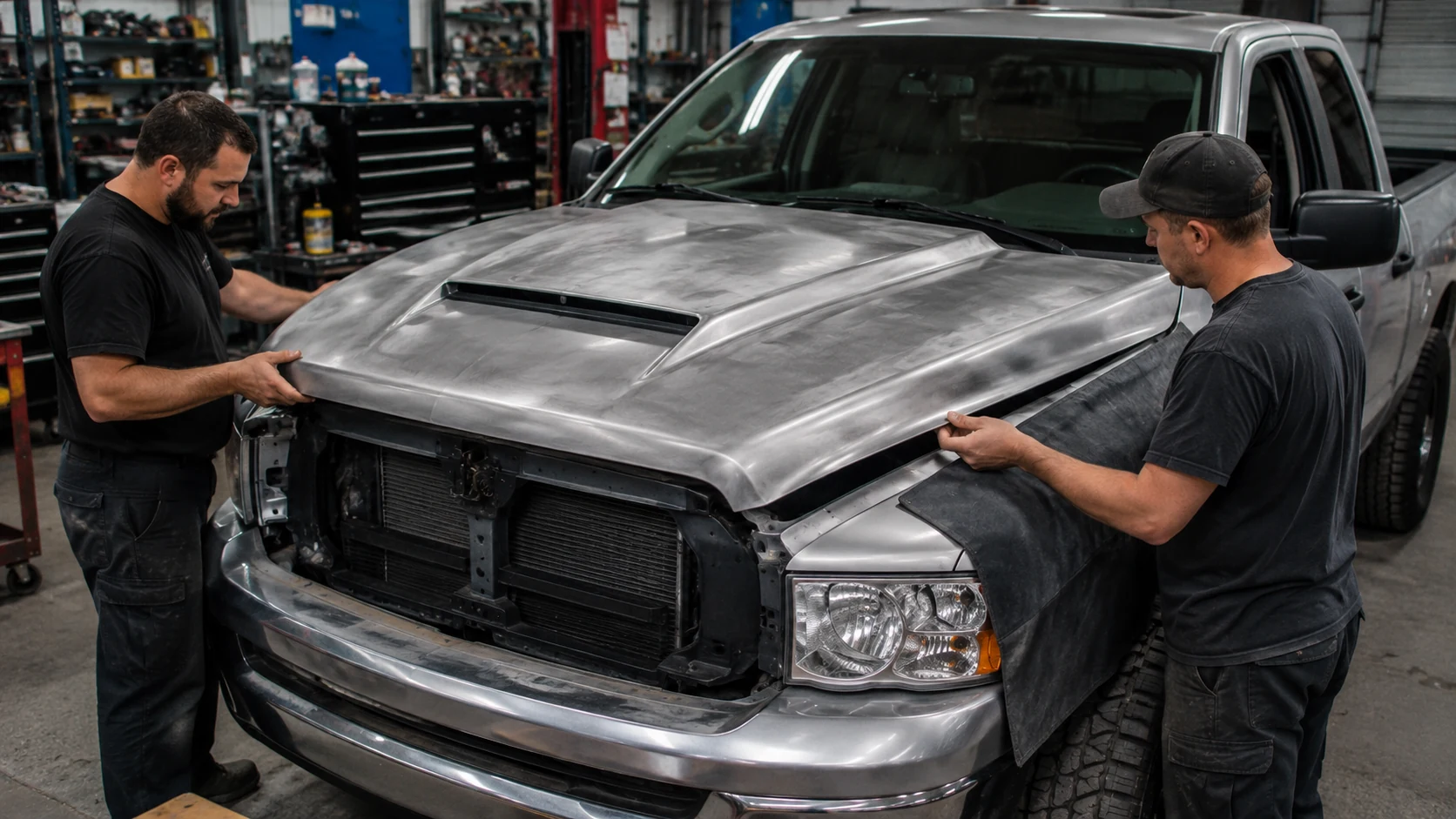
One of the most important rules for replacement body panels is simple: never assume fitment before testing it.
Install the unfinished hood and check the panel gaps carefully.
Look at:
If the hood does not latch smoothly, don't force it shut. Adjust the hinges and latch until everything operates correctly.
Because a hood is large and awkward, having a second person help with removal and installation can prevent damage to the hood, fenders, windshield area, or surrounding paint.
A replacement hood cannot compensate for worn supporting hardware.
Before installing the new panel, inspect the original:
Worn hinges can create uneven gaps or cause the hood to sit too high or too low. A damaged latch can make closing difficult and potentially create a safety concern.
If the original hood has been difficult to open, close, or align, identify the cause before transferring those same problems to the replacement hood.
Once fitment has been confirmed, the hood can be removed for final preparation.
Depending on the panel and paint system, a body shop may need to perform:
Talk to the painter before sanding or removing any protective coating from the replacement panel. The shop should determine the correct preparation process for the materials being used.
You'll also need to decide how to finish the underside. Body color creates a more complete appearance, especially when the hood is open at shows or events, while a durable contrasting finish may work well for a regularly driven truck.
Matching a freshly painted hood to the rest of a 2004 truck can be more difficult than simply using the factory paint code.
Years of sunlight, weather, washing, polishing, and previous repairs can alter the existing finish.
A professional painter may need to adjust the color or blend into the surrounding fenders to make the replacement appear consistent with the rest of the truck.
This is especially important with metallic finishes, where application technique can affect how the color looks under different lighting.
A new hood naturally draws attention toward the front of the Ram. That may make worn surrounding parts more obvious.
Inspect the:
You don't have to replace everything. Cleaning, restoring, or properly aligning existing components may be enough to make the new hood look significantly better.
If you're considering additional custom truck parts, decide how they fit into the overall direction of the build rather than adding modifications simply because they're available.
For owners who want a stronger custom appearance, changing the hood can provide one of the biggest visual improvements without requiring extensive body modifications.
A clean cowl can give a street-driven Ram a subtle performance look, while a more aggressive Ram Air design can become a defining feature of a heavily customized truck.
Whichever direction you choose, the fundamentals remain the same. Confirm fitment before ordering, inspect the freight shipment carefully, test-fit the hood before paint, make sure the supporting hardware is in good condition, and choose a design that complements the rest of the truck.
Handled properly, a 2004 Dodge Ram hood scoop can transform the front of the truck while still working naturally with the bold styling that made this generation of Ram distinctive in the first place.
That depends on the rest of the build. A traditional cowl hood works well on mildly customized street trucks, while a more aggressive Ram Air-style design can complement trucks with extensive exterior or performance modifications.
Application-specific replacement hoods are generally designed around the intended truck's mounting arrangement, but you should verify the requirements for the exact hood. Inspect the existing hinges and latch before installation as well.
Not automatically. A hood's appearance alone does not create a performance gain. Any airflow benefit depends on whether the hood openings and the truck's intake system are specifically designed to work together.
Can't find what you need for your Classic Vehicle? Give us a call at: (336) 337-2132
