
Supply chain issues may cause delays.
Click for details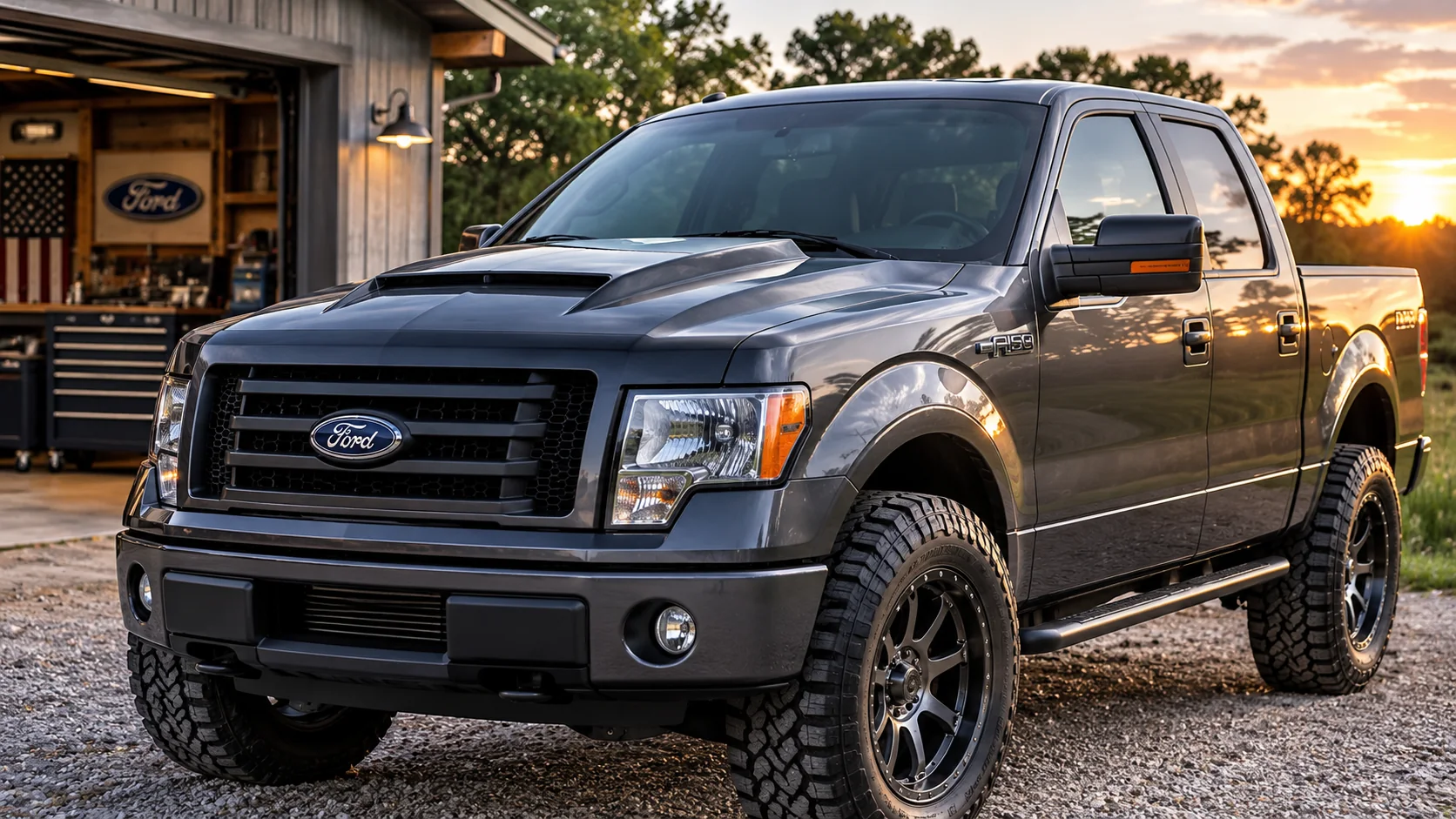
The 2009–2014 Ford F-150 has a strong, recognizable front end straight from the factory, but changing the hood can give these trucks an entirely different appearance. For owners who want something more aggressive without completely redesigning the exterior, a cowl-induction hood is one of the most noticeable upgrades available.
Choosing an 09 14 F150 cowl hood requires more thought than simply picking the design that looks best in a photo. Fitment, construction, cowl height, surrounding body panels, shipping, installation, and paint preparation all affect the finished result.
Whether you're updating a daily driver, putting together a street truck, or building a more extensively customized F-150, the goal should be finding a hood that complements the truck and fits correctly. Here's what to consider before ordering one.
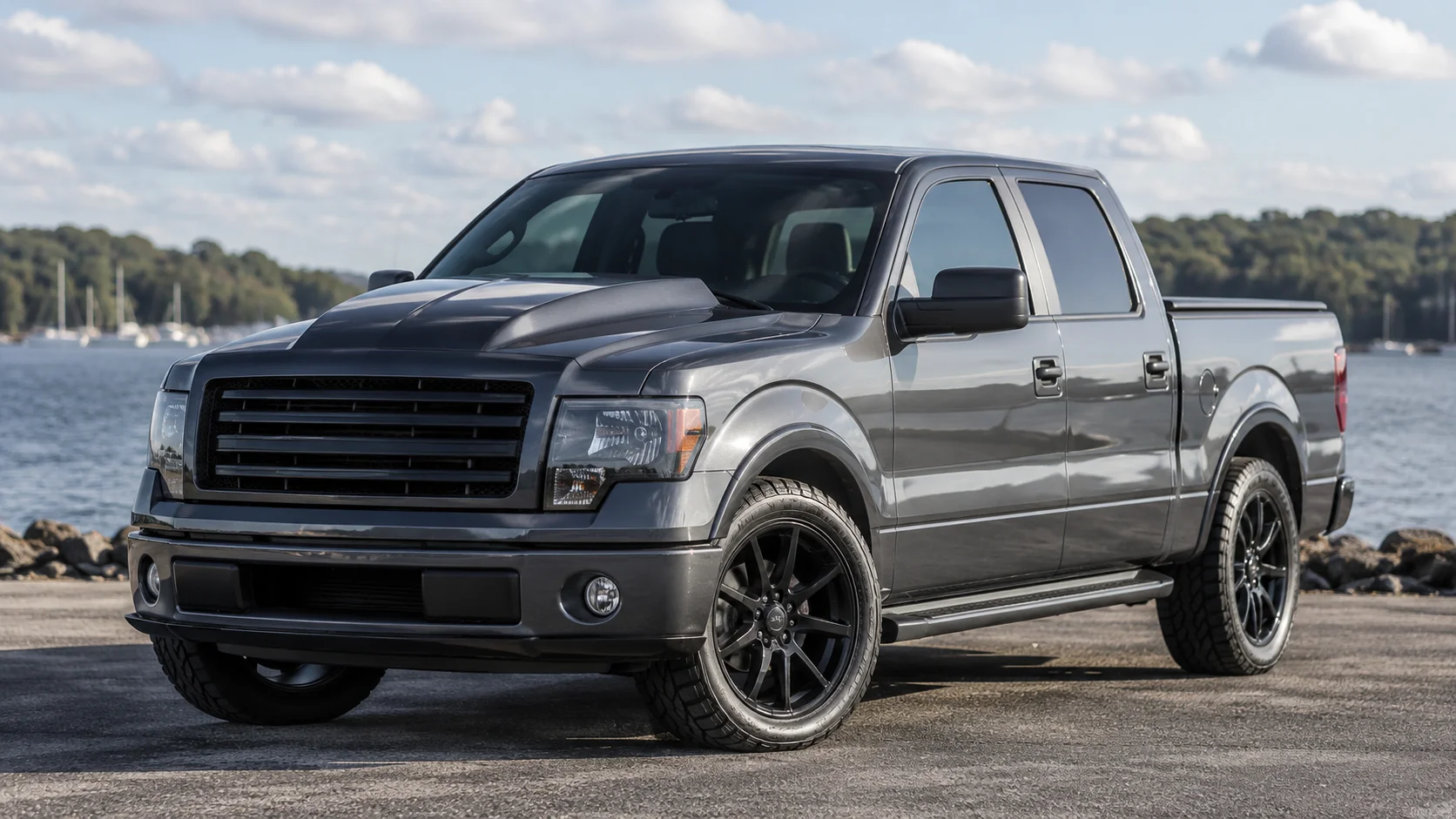
Appearance is the primary reason most owners consider a cowl hood. The raised center section changes the profile of the truck and adds visual interest to an otherwise large, relatively flat body panel.
A cowl hood can work particularly well on an F-150 that already has modifications such as:
The modification can also stand on its own. A relatively stock F-150 with the right cowl hood can look noticeably different without appearing excessively modified.
For owners looking at an 09 14 F150 cowl hood, Carolina Classic Trucks currently lists two KeyParts designs for this generation: a 2-inch steel cowl-induction hood and a second-design cowl hood.
That gives builders the opportunity to choose a hood based on the truck's overall style rather than settling for a single design.
Not every customized F-150 should look the same. Before choosing a hood, consider what you're trying to accomplish with the entire truck.
A relatively subtle cowl often works best when the rest of the exterior remains close to stock. It adds enough height to distinguish the truck without overwhelming the original body lines.
A more distinctive hood design can make sense when the truck already has substantial exterior modifications.
Think about the vehicle from multiple angles. The hood is visible from the front and sides, but you'll also see part of it every time you sit behind the wheel. A design that looks great in a straight-on photograph may appear much more prominent from the driver's seat.
The best choice is generally the hood that looks like it belongs with the rest of the build.
A 2-inch cowl provides additional height through the center of the hood without creating an extremely tall profile.
That makes it a versatile choice for street-driven F-150s.
A moderate cowl can:
The Carolina Classic Trucks selection specifically includes a 09-14 Ford F-150 Truck 2" Steel Cowl Induction Hood, making this an option for owners who want a traditional raised-cowl design for this generation.
Cowl height should still be considered in relation to the rest of the truck. More height isn't automatically better. Proportion matters.
A raised hood may offer additional room in certain areas of the engine compartment, but buyers should never assume that an advertised cowl height translates directly into that amount of additional usable engine clearance.
The underside of a hood contains bracing and structural features that affect available space.
If you're considering a cowl hood because of an engine modification, supercharger, intake system, or another component that creates a clearance issue, measure carefully before ordering.
Determine:
If engine clearance is critical, confirm the measurements for the exact hood rather than relying on the exterior appearance.
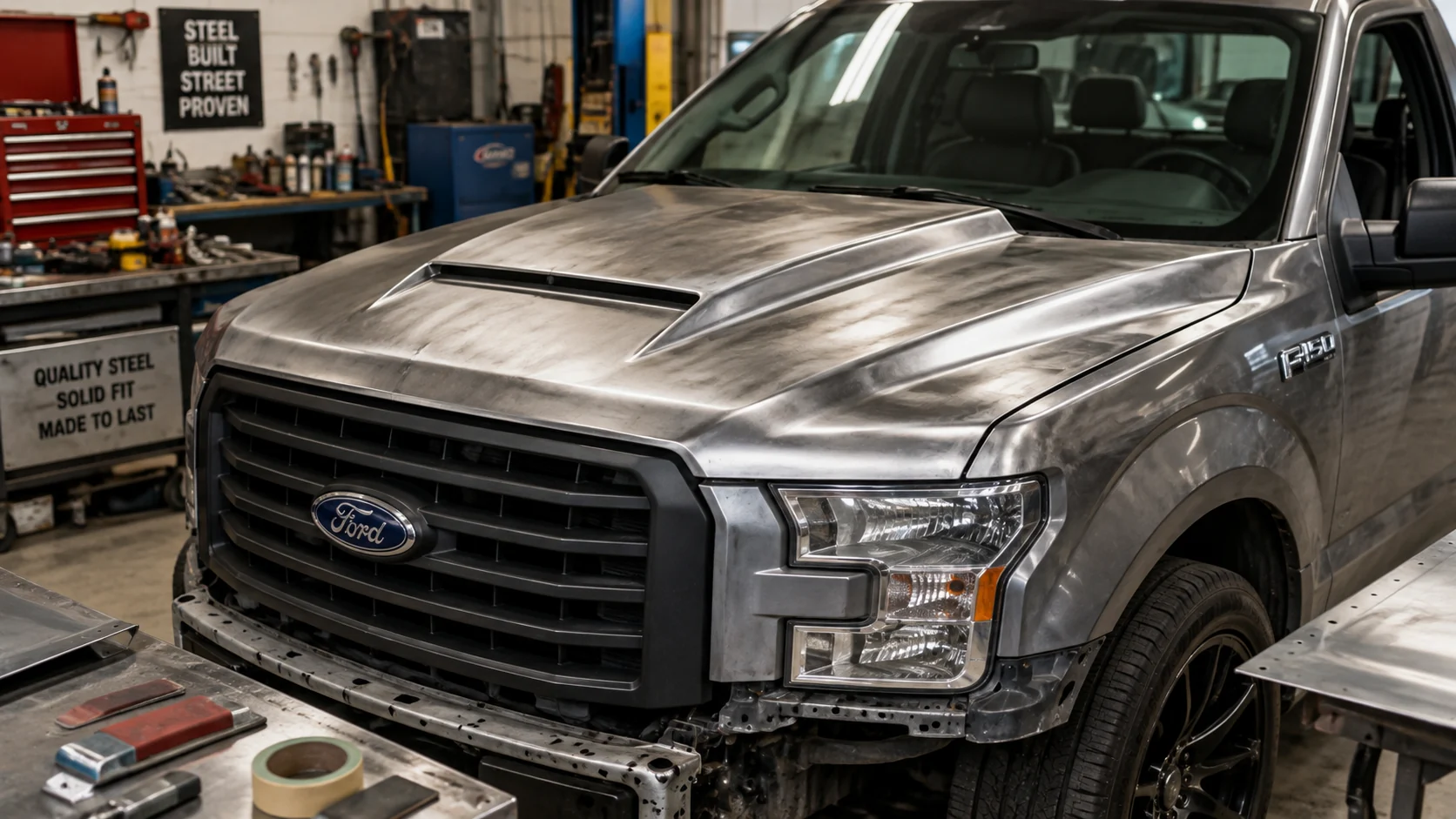
The 2-inch cowl hood listed by Carolina Classic Trucks is identified as a steel hood. Steel can be an appealing option for an F-150 that will see regular street use.
A quality steel hood provides a feel that is closer to factory sheet metal and can generally be prepared using familiar automotive bodywork techniques.
Steel also works well for owners who want a permanent exterior upgrade rather than a lightweight race-oriented component.
However, a replacement steel hood should still be treated as unfinished sheet metal. It may need adjustment and normal preparation before it is ready for final paint.
The 2009–2014 F-150 generation includes multiple configurations and trim levels, so checking the application information for the exact hood remains important.
Don't rely on a search-engine image or assume that a similar-looking Ford hood will fit.
Compare:
Previous repairs can also affect fitment. If the truck has been involved in a collision or has received replacement front-end components, inspect the existing body alignment before installing a new hood.
A replacement hood can only align as well as the panels and mounting points surrounding it allow.
A hood isn't an ordinary package. Its size makes shipping and handling a significant part of the buying process.
Carolina Classic Trucks currently specifies truck freight for the 2009–2014 F-150 hood category and notes that the listed freight rate applies to a business address.
Plan for delivery before placing the order.
When the hood arrives, inspect the shipment carefully according to the seller and carrier's instructions. Look for:
Pay particular attention to vulnerable parts of the hood, including the front corners, rear hinge areas, outer edges, cowl section, and latch area.
Take photographs during the inspection, especially if anything appears questionable.
Large body panels can be damaged during transportation even when they left the supplier in perfect condition. Discovering and documenting freight damage immediately makes resolving the situation much easier.
A replacement hood should always be test-fitted before final bodywork and paint.
This is one of the most important steps in the entire project.
With the unfinished hood installed, inspect:
Never force a replacement hood closed if the latch isn't properly aligned.
Adjustment is normal during sheet-metal installation. Small changes at the hinges can make a significant difference at the front corners of such a large panel.
Having another person available during removal and installation also makes the process safer and reduces the chance of damaging the hood, fenders, or windshield area.
A new hood doesn't automatically fix worn supporting hardware.
Before installation, inspect the factory:
Worn hinges can cause poor alignment, uneven gaps, or difficulty opening and closing the hood. A damaged latch can create both fitment and safety concerns.
If something is questionable, replacing or repairing it while the original hood is already removed makes sense.
This is also a good opportunity to clean areas that are normally difficult to access.
Replacement sheet metal should not be treated like a prefinished accessory.
After test-fitting, the hood should be inspected and prepared for the paint system being used. Depending on the panel and desired finish, that may involve:
Talk to your body shop before doing anything to the coating on the new hood. The shop can determine the correct preparation process based on the hood's existing finish and the paint products being used.
You'll also need to decide how to finish the underside. Body color can create a more polished appearance, while other durable finishes may make sense for a street-driven truck.
If the entire truck is being repainted, matching the hood is straightforward because everything can be refinished together.
Replacing only the hood is different.
Even when you know the factory paint code, years of sun exposure and environmental conditions can alter the appearance of the existing finish. Previous collision repairs may have introduced additional variations.
A professional paint shop can compare the current color with the new paint and determine whether adjacent panels need blending.
This is particularly important with metallic finishes, where small differences in application can be noticeable.
A new cowl hood immediately draws attention toward the front end. That makes it a good time to inspect the condition of nearby exterior components.
Look at:
You don't need to replace everything simply because the hood is new. In fact, adding too many unrelated modifications at once can make a truck look less cohesive.
Instead, use the hood as part of an overall plan.
Owners exploring other truck cowl induction hoods can also compare how different hood designs work across custom truck styles before deciding how aggressive they want their F-150 to look.
A few preventable mistakes can turn a relatively straightforward upgrade into an expensive project.
Avoid:
Approaching the hood like a body panel rather than a simple bolt-on accessory helps set realistic expectations from the beginning.
If you want to give a 2009–2014 F-150 a more distinctive front-end appearance, a cowl hood can make a significant difference without requiring a complete exterior transformation.
The key is choosing a design that matches the truck.
A moderate cowl can add just enough character to a mostly stock F-150, while a more extensively modified truck may support a more noticeable hood design. Whatever direction you choose, verify the application, plan for freight delivery, inspect the panel carefully, and complete the test fitting before sending anything to paint.
Handled correctly, an 09 14 F150 cowl hood can look like it was always intended to be part of the truck rather than something added as an afterthought.
Fitment depends on the specific hood application and the truck's front-end configuration. Always check the manufacturer's application information for the exact year and truck before ordering rather than assuming every F-150 configuration uses identical hood components.
It may provide additional clearance in certain areas, but 2 inches of exterior cowl height does not necessarily mean 2 inches of additional usable space everywhere underneath. The hood's internal bracing and the location of the engine component both matter.
Yes, a replacement steel hood should generally be considered an unfinished body panel requiring proper preparation and refinishing. Test-fit the hood first, then have it prepared and painted according to the requirements of the panel and paint system.
Can't find what you need for your Classic Vehicle? Give us a call at: (336) 337-2132
