
Supply chain issues may cause delays.
Click for details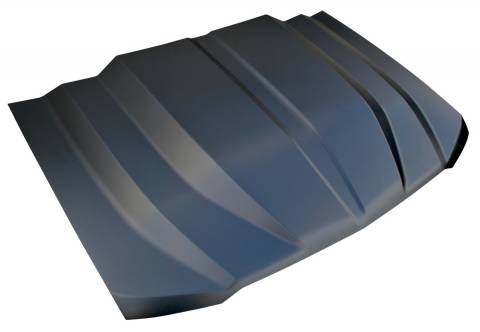
The 1988–1998 Chevy and GMC C/K trucks have earned a permanent place in the classic and custom truck world. Commonly called OBS Chevy trucks, these pickups combine straightforward mechanical design with styling that still looks great decades later. Whether you're restoring one, building a lowered street truck, or putting together a performance-oriented project, changing the hood can dramatically alter the truck's appearance.
Choosing a cowl hood for OBS Chevy trucks isn't simply a matter of finding the tallest cowl available. Different hood designs create very different looks, and considerations such as material, cowl height, engine clearance, fitment, freight delivery, and paint preparation should all factor into the decision.
The right hood should complement the rest of the truck instead of looking like an unrelated modification. Before ordering one, it pays to understand your options and know what to expect once that oversized box arrives.
OBS stands for "old body style," an enthusiast term commonly used for the GMT400 generation of Chevrolet and GMC trucks.
For Chevy and GMC pickups, that generally means the 1988–1998 C/K generation, with the old body style continuing into certain 1999 Classic models. The same basic styling also carried into related SUVs during portions of this period.
That distinction becomes especially important around 1999 because Chevrolet introduced its newer Silverado generation while continuing to sell some trucks based on the previous platform.
Before buying a hood, identify the truck by its actual body style rather than assuming that the model year alone guarantees compatibility.
Look at the grille, headlights, fenders, factory hood shape, hinges, and latch arrangement. If the truck has previously received a front-clip conversion or collision repair, confirming what sheet metal is currently installed becomes even more important.
The factory OBS body has relatively clean, straightforward lines. Adding a raised section through the center of the hood changes the front profile without requiring modifications to every other exterior panel.
A cowl hood can work particularly well on:
The modification can be noticeable without completely changing what makes the truck recognizable.
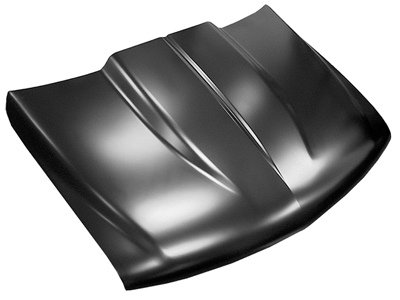
Owners shopping for a cowl hood for OBS Chevy trucks also have several styles to consider rather than one basic design. Carolina Classic Trucks lists multiple hood configurations for this generation, including 2-inch and 4-inch cowl designs, a wider-body cowl, ram-air styling, and a dual-cowl design with ram-air styling.
That variety makes choosing a hood based on the overall build especially important.
Cowl height is one of the first decisions you'll need to make.
A 2-inch cowl generally provides a more restrained appearance. It adds definition to the hood without dominating the entire front end.
This style tends to work well on trucks with:
If you want people to notice that the hood is different without making it the focal point of the truck, a smaller cowl is often the better choice.
A 4-inch cowl makes a much stronger statement. The added height becomes an obvious part of the truck's profile and tends to work best when other modifications support the aggressive appearance.
A taller cowl may look at home on trucks with larger wheels, performance modifications, an aggressive stance, or a more extensive custom theme.
That doesn't automatically make bigger better. A tall hood on an otherwise factory-stock truck can sometimes look out of proportion. Consider how the hood will work with the entire vehicle rather than judging it by itself.
Traditional single-cowl designs aren't the only option for this generation.
A wider cowl spreads the raised section across more of the hood, producing a different visual effect than a narrow central rise. Depending on the truck, this can create a more integrated appearance because the hood modification follows more of the front-end width.
Ram-air-style hoods take another approach, adding openings or contours that create a more performance-focused look. Carolina Classic Trucks' OBS hood selection includes traditional cowl designs along with ram-air and dual-cowl/ram-air configurations.
Choosing among them comes down largely to the direction of the truck.
A clean street truck might look best with a straightforward 2-inch cowl. A more aggressive custom build could support a 4-inch, wide-cowl, or ram-air design without looking overdone.
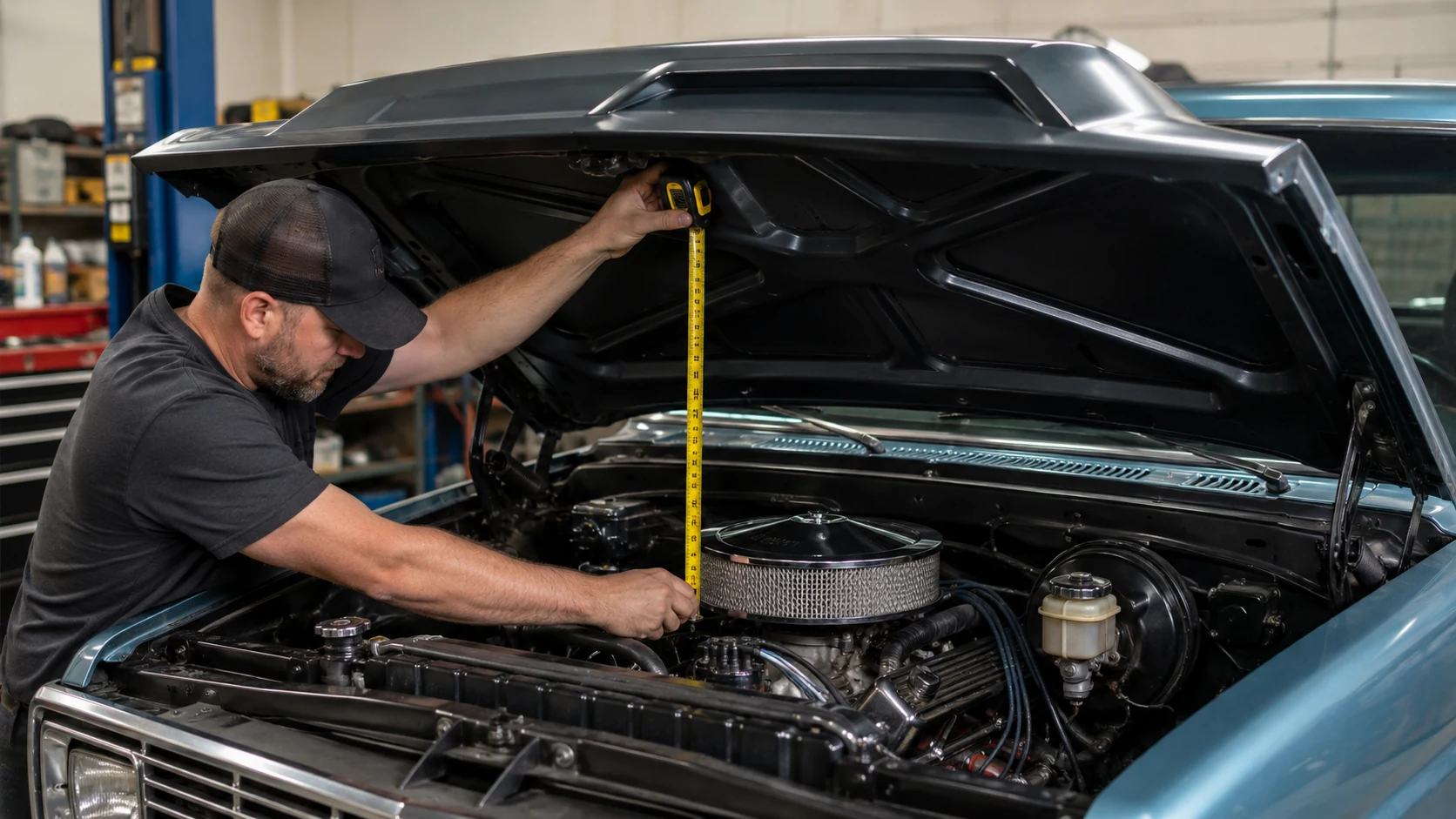
Some owners purchase cowl hoods because they have modified engines, taller intake manifolds, air cleaners, or engine swaps.
Additional hood height can potentially help with clearance, but the advertised exterior cowl height should not be treated as a guaranteed measurement of usable space underneath.
Underside bracing and hood construction affect actual clearance.
Before ordering specifically for engine clearance, measure:
If clearance is critical, confirm measurements with the supplier rather than assuming that a 2-inch or 4-inch cowl creates exactly that much additional room everywhere beneath the hood.
Material is another consideration when selecting an OBS hood.
Steel hoods generally provide a more factory-like feel and can be a good choice for street-driven trucks. They're familiar to body shops, use conventional preparation techniques, and often work with factory-style mounting hardware when designed for the application.
The OBS hood category linked above includes several KeyParts steel cowl-induction and ram-air options.
Fiberglass can offer different styling and potentially lower weight, but it may require additional preparation and fitting. Mounting requirements can also vary between individual hood designs.
Some fiberglass hoods are designed for conventional hinges and latches, while others may require different hardware or hood pins.
Always check the specifications of the exact hood rather than applying general assumptions about either material.
A hood is too large to treat like an ordinary package. The Carolina Classic Trucks OBS hood page specifically directs customers to select truck freight when checking out.
That makes inspection at delivery especially important.
Before accepting the hood, inspect the shipping container for obvious problems such as crushed corners, punctures, tears, or signs of mishandling. Follow the seller and carrier's instructions for examining the actual panel and documenting any damage.
Pay particular attention to:
Photographs taken during delivery can be valuable if there is a freight issue.
Don't rush this process simply because you're eager to start the project. Large sheet-metal panels can sustain damage during transportation, and identifying a problem immediately is much easier than discovering it days later.
One rule should apply to virtually every replacement hood: fit first, paint later.
Install the unfinished hood and check its relationship with the existing front-end sheet metal.
Look closely at:
If the gaps aren't right, don't immediately assume the hood is the problem. Worn hinges, previous collision repairs, improperly aligned fenders, or damaged mounting points can all affect fitment.
Adjust everything while the panel is unfinished.
Once the hood fits correctly, it can be removed for final preparation and paint.
Replacement steel sheet metal should not simply be taken out of the shipping box and sprayed with color.
A body shop should inspect and prepare the hood according to the coating and paint system being used. Depending on the panel, preparation may include cleaning, sanding, minor blocking, priming or sealing, and correcting small imperfections before applying the final finish.
You should also decide how you want the underside finished.
A body-color underside creates a more complete appearance for show-oriented builds. Other owners prefer a simpler protective finish, particularly on trucks built primarily for regular street use.
If the truck still wears older paint, matching the color can also require more than looking up the factory paint code. Decades of fading and previous refinishing can change the appearance of the existing finish.
A new hood deserves good supporting hardware.
Original OBS hood hinges have potentially gone through decades of opening, closing, vibration, weather exposure, and previous adjustments. Installing an expensive new hood onto worn or damaged hardware can create alignment problems immediately.
Inspect:
Correct worn components before completing the installation.
This is also a good opportunity to clean and inspect areas that are difficult to reach with the hood installed.
The best custom trucks usually have a consistent design.
If your OBS is mostly stock, a modest cowl can provide enough visual change without overpowering the original styling. If you've already changed the stance, wheels, drivetrain, brakes, and other exterior components, a more aggressive hood may make sense.
Avoid choosing solely based on which hood looks most dramatic in isolation.
Think about the truck from the front, side, and driver's seat. A taller cowl changes all three views.
The goal should be for someone to see the completed truck and feel like every modification belongs together.
Before placing an order, watch for several common problems:
A little extra planning before installation can prevent most of these issues.
A hood is one of the largest uninterrupted body panels on an OBS truck, so changing it has an immediate effect on the vehicle's appearance. That's exactly why the decision deserves more thought than simply choosing the biggest cowl available.
Start by confirming your exact application. Then decide how aggressive you want the truck to look, whether additional engine clearance is actually required, and which hood design best complements the rest of the build.
Once the hood arrives, inspect it carefully, test-fit everything before paint, and take the time to get the panel gaps and latch adjustment right.
Done properly, a cowl hood for OBS Chevy trucks can give an already distinctive generation of pickups a completely different attitude without taking away the styling that made these trucks popular in the first place.
The OBS Chevy/GMC C/K pickup generation generally covers 1988–1998, with certain 1999 Classic trucks continuing the old body style. Related Tahoe, Yukon, and Suburban applications can cover different year ranges, so always verify the exact hood application before ordering.
Neither is automatically better. A 2-inch cowl provides a subtler appearance that works well with mild street builds, while a 4-inch cowl creates a more aggressive look. Engine-clearance requirements and the overall style of the truck should guide the decision.
Many application-specific steel cowl hoods are intended to work with factory-style mounting systems, but requirements vary by individual product. Check the specifications for the exact hood and inspect the existing hinges, latch, and mounting hardware before installation.
Can't find what you need for your Classic Vehicle? Give us a call at: (336) 337-2132
