
Supply chain issues may cause delays.
Click for details
Replacing the hood on a 1999 Chevy Silverado can solve several problems at once. A new hood can replace damaged or rusted sheet metal, improve the appearance of the truck, and give the front end a more aggressive style. For owners building a street truck, restoring a dependable daily driver, or updating an older work truck, a cowl-induction hood is one of the most noticeable exterior changes that can be made without rebuilding the entire front clip.
However, buying a hood for a 1999 Chevy Silverado involves more than finding a design that looks good online. The hood must match the correct body style, align with the existing fenders and grille, work with the factory hinges and latch, and arrive without freight damage. It also needs to be test-fitted and properly prepared before paint.
Taking time to understand those details before ordering can prevent expensive fitment problems and help the finished hood look like it belongs on the truck.
Some Silverado owners replace the hood because the original panel has been damaged by a collision, hail, rust, or years of heavy use. Others make the change primarily for appearance.
A cowl hood adds height and definition to the center of the hood, which can make the truck look more performance-oriented. It works particularly well on Silverados with upgraded wheels, a lowered or leveled stance, revised lighting, or other exterior modifications.
There may also be practical reasons for wanting additional hood clearance. Modified intake systems, engine swaps, and taller engine components sometimes create clearance concerns. Still, owners should not assume that every raised cowl automatically provides the exact space they need. The visible height of the hood does not always reflect the shape or depth of the underside bracing.
Measurements should always be taken before ordering if engine clearance is part of the reason for the upgrade.
The 1999 model year can create confusion because Chevrolet was transitioning between truck generations. Depending on the vehicle, a truck titled as a 1999 model may belong to a different body style than another truck from the same year.
Before ordering, compare the truck’s front-end design with the product application. Look closely at:
It is also worth checking whether a previous owner changed the front clip. Older trucks are sometimes repaired using parts from a different year or converted to another grille and headlight style.
The safest approach is to compare your truck directly with the listed application for the hood for a 1999 Chevy Silverado. If anything appears different, contact the supplier before completing the order.
Ordering by appearance alone is risky. A hood may look nearly identical in photographs but still have differences that prevent proper installation.
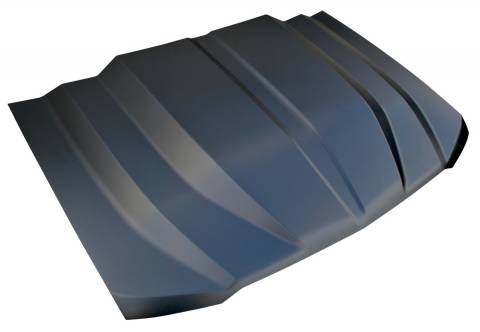
Owners generally have two main directions when replacing a Silverado hood.
A factory-style hood is the better choice for owners who want to maintain the truck’s original appearance. It may also be preferred for a work truck, a mostly stock restoration, or a vehicle where originality matters more than customization.
The advantage is subtlety. A properly fitted replacement restores the original body lines without drawing additional attention to the hood.
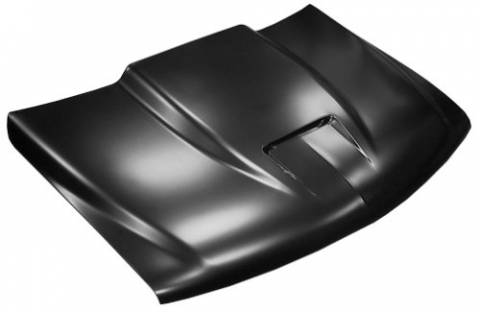
A cowl-induction hood creates a stronger visual change. The raised center section gives the truck a sportier profile and can make the front end appear more substantial.
This type of hood is popular on:
The height and shape of the cowl should match the rest of the build. A moderate cowl can look natural on a lightly modified Silverado, while an extremely tall hood may overpower a truck that otherwise appears stock.
The goal should be to choose a hood that complements the vehicle rather than becoming the only feature anyone notices.
Replacement hoods may be available in steel or fiberglass, and each material has advantages.
Steel is usually the preferred choice for owners who want a more factory-like panel. A quality steel hood generally uses conventional hinges and latch hardware and can be prepared and painted using familiar body-shop methods.
Steel also tends to feel more like the original hood when opening and closing it. The tradeoff is weight, and steel panels can be vulnerable to dents or freight damage if handled improperly.
Fiberglass can reduce weight and may be available in more aggressive styles. However, fiberglass panels often require additional finishing work. Edges, mounting points, surface waves, and latch areas may need attention before the hood is ready for paint.
Some fiberglass hoods are designed for factory-style hinges and latches, while others may require hood pins or different mounting methods. Never assume the hardware requirements are the same as the original hood.
The right choice depends on the intended use of the truck, the desired appearance, and how much finishing work the owner is prepared to complete.
Hoods are oversized items that commonly ship by truck freight. Freight delivery requires more attention than receiving a standard package.
Before accepting the shipment, inspect the container for:
When permitted by the carrier and seller’s instructions, inspect the actual hood as well. Pay close attention to the front edge, rear corners, outer sides, latch area, cowl section, and underside bracing.
Take clear photographs of the shipment and any visible damage. If the hood is damaged, make sure the condition is documented properly before signing the delivery paperwork.
Freight claims can become much harder when damage is discovered after the shipment has already been accepted without notation.
One of the most important rules when installing exterior sheet metal is to test-fit it before final preparation or paint.
A replacement hood may need normal adjustment even when it is designed for the correct truck. Fitment depends on the condition and position of the hinges, latch, bump stops, fenders, grille, and surrounding panels.
During the test fit, check:
Open and close the hood slowly. If it makes contact with another panel or does not align with the latch, stop and adjust it rather than forcing it shut.
It is also wise to inspect the hinges before installing the new hood. Worn or bent hinges can make a properly manufactured hood appear defective. Loose mounting points and damaged latch hardware can create similar problems.
Because the hood is large and awkward, installation is easier and safer with at least two people. Protect the fenders and cowl before removing the old panel.
A replacement hood should be viewed as an unfinished body panel, not a painted accessory that is ready to bolt on permanently.
Even a high-quality hood may require:
The temporary coating on a steel hood is generally intended to protect the metal during storage and shipping. It is not necessarily the final surface for paint.
A body shop should inspect the panel and prepare it according to the paint manufacturer’s recommendations. The underside should also be considered. Some owners paint it body color, while others choose a durable black or contrasting finish.
Color matching is another concern. A paint code identifies the original color, but the existing finish may have faded over time. Previous repairs may also have introduced slight color differences. A professional painter can evaluate whether the new hood can be matched directly or whether nearby panels should be blended.
Installing a new hood often highlights the condition of everything around it. Faded headlights, damaged grille components, worn weatherstripping, and uneven fender alignment may become more noticeable once the hood has been replaced.
While the truck is apart, inspect:
Replacing worn supporting components can make the installation easier and help the hood remain aligned.
Owners considering additional truck cowl hoods or exterior upgrades should plan the entire front-end appearance before buying several unrelated parts. A coordinated build generally looks better than one made up of modifications selected individually without a clear direction.
A hood replacement can become unnecessarily expensive when basic preparation is skipped. Common mistakes include:
Most of these problems can be prevented by verifying fitment, inspecting all supporting hardware, and allowing time for proper bodywork.
For many owners, the answer is yes. A cowl hood can give a 1999 Silverado a stronger appearance while keeping the original character of the truck recognizable. It works especially well when the rest of the build already has a performance or custom direction.
The best results come from treating the hood as part of a larger exterior plan. Choose the correct application, select a cowl height that suits the truck, inspect the panel at delivery, and complete a full test fit before paint.
Handled correctly, the new hood can improve the truck’s appearance and become one of the most distinctive parts of the build.
Confirm the truck’s body style by comparing the grille, headlights, fenders, hinges, and latch arrangement with the product application. Because Chevrolet was transitioning truck generations around 1999, the model year alone may not provide enough information.
Many steel cowl hoods are designed to work with factory-style hinges and latch hardware, but fitment and hardware requirements vary by product. Review the product description and inspect the existing hinges before installation.
No. The hood should be test-fitted and adjusted before final preparation and paint. Painting first can make it more difficult and expensive to correct alignment or fitment problems later.
Can't find what you need for your Classic Vehicle? Give us a call at: (336) 337-2132
