
Supply chain issues may cause delays.
Click for details
When restoring or upgrading a classic truck, most people focus on engines, paint, suspension, or wheels first. But one of the most important components in the entire vehicle is something many owners barely think about until there’s a problem—the brake prop valve.
A properly functioning brake prop valve helps balance braking pressure between the front and rear brakes. Without it, your truck may stop unevenly, lock up the rear wheels, or feel unstable during braking. Whether you're restoring a factory-style setup or building a modified truck with upgraded brakes, choosing the correct valve and making sure it’s working properly is essential.
For classic truck owners, this is especially important because many older braking systems were designed decades ago for different tires, different traffic conditions, and much lower driving speeds than what we deal with today.
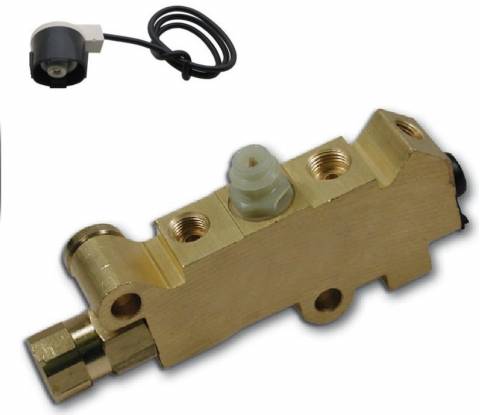
A brake proportioning valve controls how much hydraulic pressure is sent to the front and rear brakes during stopping. Most classic trucks use a front disc and rear drum setup, and those two systems require different amounts of pressure to work correctly.
Front disc brakes typically need more pressure because they handle most of the stopping force. Rear drum brakes require less pressure and can lock up more easily if they receive too much.
The brake prop valve helps maintain that balance. It reduces pressure to the rear brakes during harder stops so the truck remains stable and predictable.
Without proper brake balance, a truck can become difficult to control, especially during emergency braking or in wet conditions.
Modern vehicles use advanced braking systems with ABS and electronic controls. Classic trucks rely on simpler hydraulic systems, which means the brake prop valve plays a much larger role in overall brake performance.
As these trucks age, original valves can wear out internally, become clogged, or simply stop functioning correctly. Many owners don’t realize there’s a problem because the changes happen gradually over time.
Common symptoms include:
If you’re restoring an older truck or replacing major brake components, it often makes sense to inspect or replace the valve while the system is apart.
Not all brake systems use the same valve configuration. The correct setup depends on your truck’s brake design and whether any modifications have been made.
For many square body Chevy and GMC trucks, the 1978-87 Chevy/GMC Full Size Truck Front Disc/ Rear Drums Proportioning Valve is a common replacement option that matches the factory-style disc/drum layout.
Ford truck owners often use setups like the 1973-79 Ford Truck F-100/F-150 Front Disc/Rear Drums Brake Proportion Valve w/ Sensor Wire or the 73-79 Ford F250/F350 Front Disc/Rear Drums Brake Proportion Valve w/ Sensor Wire when restoring factory brake systems.
The key is matching the valve to the actual brake configuration on the truck—not just the model year.
One decision many builders face is whether to use a factory-style valve or switch to an adjustable setup.
Factory-style valves are designed around the original brake system. They work well for stock restorations and trucks that retain factory-style components.
Advantages include:
For most restoration projects, this is the easiest and most reliable option.
Adjustable valves allow you to manually tune rear brake pressure. These are often used on custom builds where major changes have been made to the suspension, tires, brake setup, or vehicle weight distribution.
They offer flexibility, but they also require testing and proper adjustment. A poorly adjusted valve can create just as many problems as a worn-out factory valve.
For most street-driven classic trucks, a properly matched factory-style valve is often the better choice.
One mistake many builders make is treating the brake prop valve like a standalone component. In reality, it’s only one part of a larger braking system.
When planning your build, it’s important to consider:
Changing one part without considering the rest of the system can create unexpected problems.
That’s why many experienced builders source their combination valve brakes from suppliers that specialize in classic trucks and understand how these systems work together.
Brake problems often come from installation mistakes or mismatched parts rather than defective components.
Some of the most common issues include:
Taking the time to inspect the entire system usually leads to much better results than simply replacing individual parts randomly.
If you’re already rebuilding your braking system, replacing the valve proactively often makes sense. Even if it still functions, internal wear or contamination may affect performance.
You should strongly consider replacement if:
Like many restoration parts, replacing the valve while everything is apart is usually easier than revisiting it later.
Brakes may not be the most exciting part of a restoration, but they are one of the most important. A properly functioning brake prop valve helps your truck stop consistently, remain stable, and feel much more predictable on the road.
Whether you’re restoring a stock square body, rebuilding a classic Ford, or upgrading an older truck for modern driving, paying attention to the brake system early in the project can save time and frustration later.
With the right setup and properly matched components, your truck won’t just look better—it will drive better too.

A brake prop valve controls hydraulic pressure between the front and rear brakes. It helps prevent rear wheel lockup and improves overall braking stability during stopping.
Common signs include uneven braking, rear wheel lockup, inconsistent pedal feel, or poor stopping performance. In some cases, the brake warning light may also stay illuminated.
Factory-style valves work best for most stock restorations because they’re designed around the original brake system. Adjustable valves are more common on heavily modified trucks that require custom brake tuning.
Can't find what you need for your Classic Vehicle? Give us a call at: (336) 337-2132
