
Supply chain issues may cause delays.
Click for details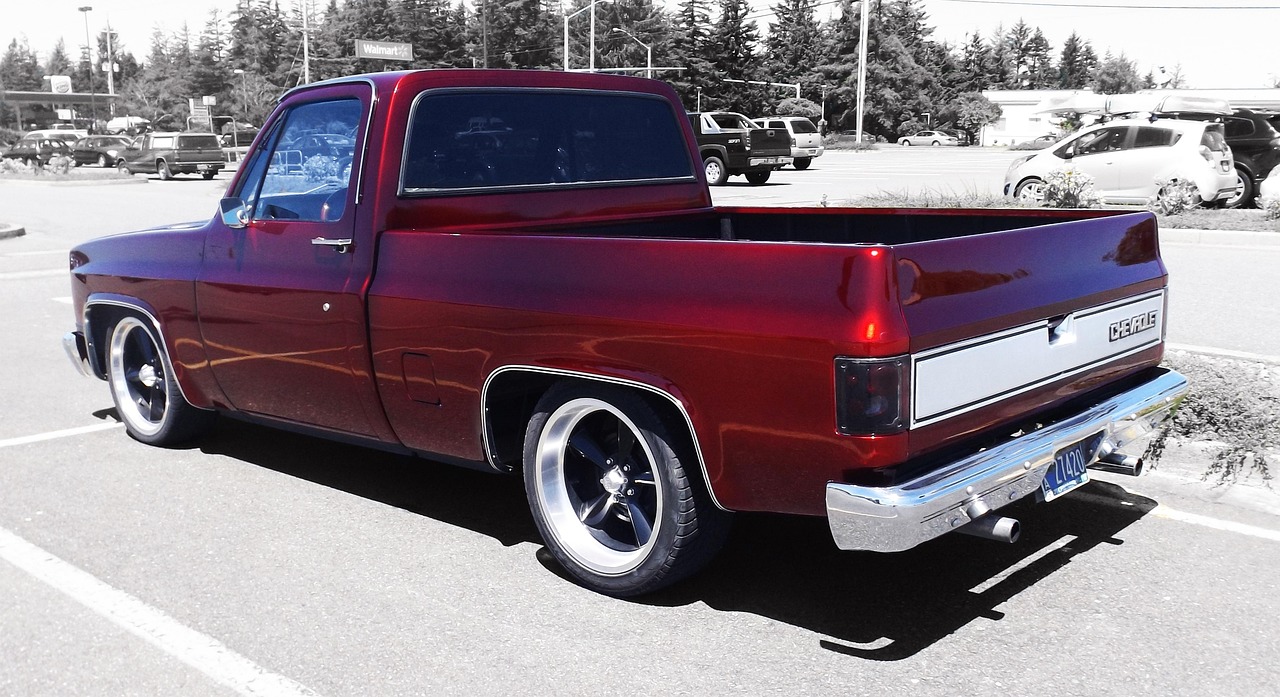
The 1973–1987 Chevy and GMC square body trucks have become some of the most desirable classic pickups on the road today. Their boxy styling, straightforward mechanics, and huge aftermarket support make them one of the easiest classic truck platforms to restore or customize. But whether you’re rebuilding a work truck, restoring a family truck, or putting together a clean weekend cruiser, choosing the right chevy square body parts is what ultimately determines how successful the project becomes.
Many owners jump straight into cosmetic upgrades, but the best square body builds usually start with the basics. Rust repair, braking systems, suspension components, and structural integrity matter far more in the early stages than paint or wheels. Once the foundation is solid, the truck becomes much easier to finish correctly.
One reason square body trucks continue growing in popularity is their balance of simplicity and customization potential. Compared to modern trucks, they are easier to work on mechanically, easier to modify, and easier to restore.
Another major advantage is parts availability. Owners can find nearly everything they need through suppliers that specialize in classic truck parts, from sheet metal and brake components to trim and complete restoration assemblies.
That strong aftermarket support is a huge reason these trucks remain practical restoration projects instead of becoming impossible-to-find collector vehicles.
If there is one issue almost every square body owner eventually faces, it is rust. Even trucks that appear solid at first glance often hide corrosion underneath weatherstripping, carpeting, or lower body seams.
Some of the most common problem areas include:
Addressing rust early prevents larger structural problems later. It also improves panel alignment and helps avoid issues during paint and assembly.
Using properly fitted chevy truck body panels makes the repair process smoother and usually produces much cleaner results than trying to patch heavily damaged original metal.
Many experienced builders will tell you the same thing: fixing structure first saves time and money later.
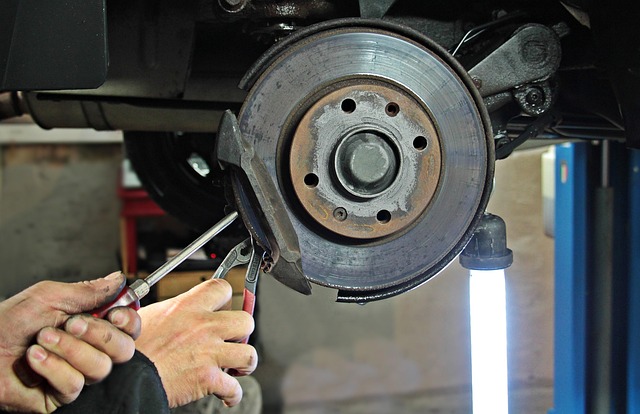
Square body trucks were built during a very different era of driving. While their original brake systems worked well for the time, many trucks today are carrying larger tires, upgraded engines, or suspension modifications that change how they stop.
That is why brake system inspections should happen early in any restoration.
Common problems include:
For many square body trucks using factory-style disc/drum setups, the 1978-87 Chevy/GMC Full Size Truck Front Disc/ Rear Drums Proportioning Valve remains a common replacement solution.
More importantly, the brake system should always be treated as a complete package. Replacing only one component while leaving worn hoses, old master cylinders, or contaminated lines in place often leads to continued problems.
A square body truck may still drive after decades of use, but worn steering and suspension parts usually show up quickly once you spend time behind the wheel.
Common wear items include:
Refreshing these components dramatically improves how stable and predictable the truck feels on the road.
This is especially important if the truck will see regular driving instead of occasional weekend use.
One of the smartest things you can do before ordering parts is decide what kind of truck you actually want to build.
If originality matters most, focus on replacement components that match original specifications and appearance. This route is popular among collectors and owners preserving the truck’s history.
Many square body owners prefer blending classic styling with modern performance and comfort upgrades. In those cases, using custom truck parts can improve drivability without sacrificing the truck’s character.
The key is consistency. A truck usually feels much more complete when all the upgrades support the same overall direction.
Square body interiors are simple and durable, but after decades of use, many trucks develop issues with seals, windows, and interior hardware.
Common complaints include:
For many owners, upgrading to one piece window kits becomes a practical improvement that also cleans up the truck’s appearance.
Even small upgrades to seals and window components can make the truck feel much more refined and enjoyable to drive.
Many restoration problems happen because owners focus on appearance before addressing the basics.
Some of the most common mistakes include:
The best projects usually happen when owners stay patient and approach the truck in stages.
A structured plan helps avoid wasted money and repeated work.
Repair floors, cab corners, and rust damage first.
Make the truck safe and predictable to drive.
Address drivetrain, cooling, and fuel system issues.
Replace seals, hardware, and worn cabin components.
Paint, trim, wheels, and cosmetic details come last.
This approach keeps the build organized and prevents having to undo completed work later.
A successful square body restoration is about more than appearance. The trucks that truly stand out are the ones that drive well, feel solid, and remain dependable long after the build is finished.
Choosing the right chevy square body parts—and installing them in the right order—makes a huge difference in how enjoyable the truck becomes to own and drive.
With strong aftermarket support and endless customization potential, square body trucks remain one of the best classic truck platforms available today. Whether you’re building a stock restoration or a fully customized cruiser, focusing on quality parts and smart planning will always produce better results.
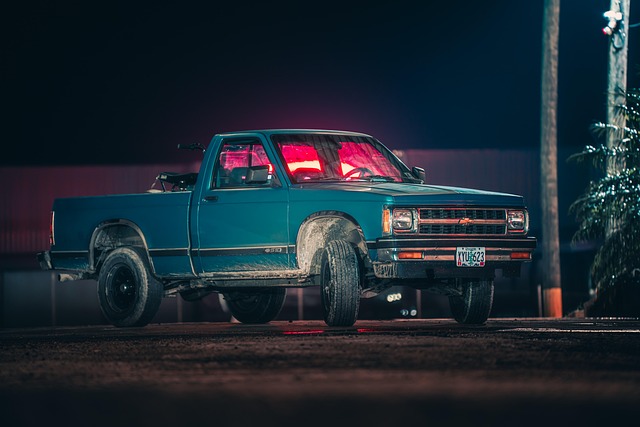
The most commonly replaced parts include rust-prone body panels, braking components, weatherstripping, suspension parts, and steering components. These areas tend to wear out first and have the biggest impact on safety and drivability.
Many components are interchangeable because Chevy and GMC trucks share the same platform during these years. However, trim pieces, badging, and some interior details may differ depending on the model and trim package.
That depends on your goals. Stock restorations preserve originality and collector appeal, while custom builds improve performance and comfort. Many owners choose a balanced approach that combines classic styling with selective modern upgrades.
Can't find what you need for your Classic Vehicle? Give us a call at: (336) 337-2132
