
Supply chain issues may cause delays.
Click for details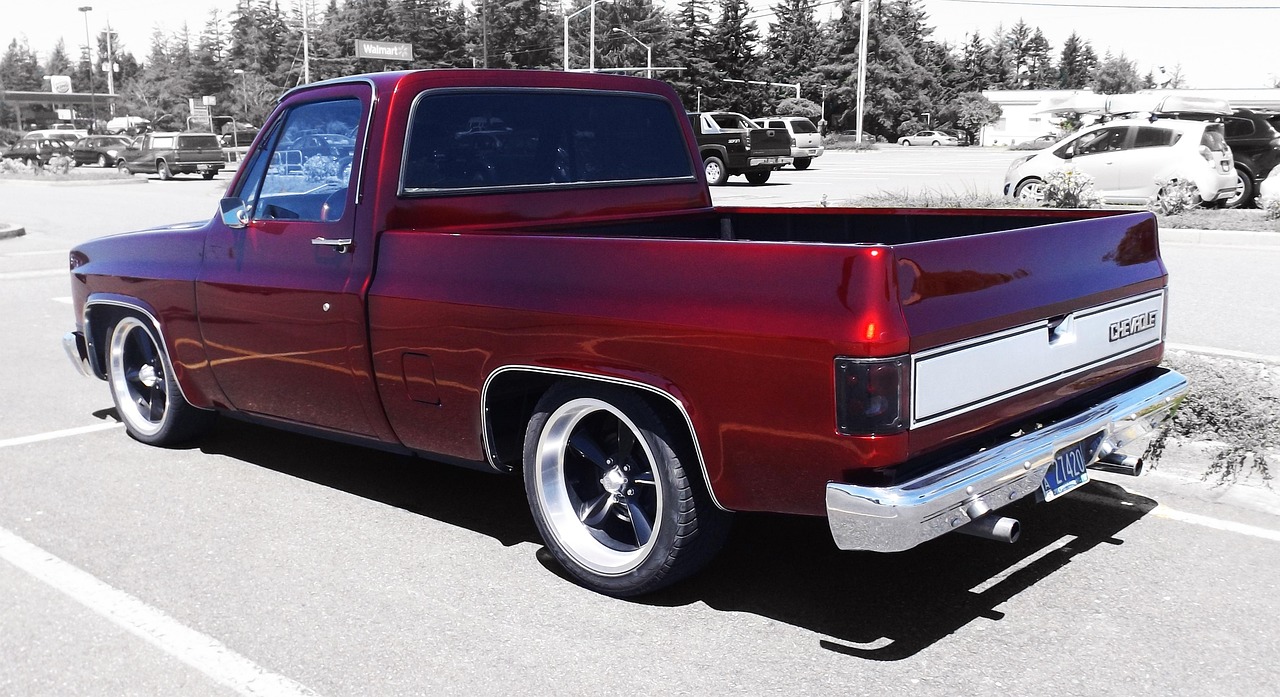
Restoring a vintage Chevy truck is one of the most rewarding projects you can take on, but it also comes with a lot of decisions. From body panels to brake systems, every component plays a role in how your truck looks, drives, and holds up over time. That’s why choosing the right classic chevy truck parts isn’t just about replacing what’s worn out—it’s about building something that works as a complete system.
Whether you're working on a 1950s model, a 67–72 C10, or a square body from the late '70s and '80s, the same principles apply. Focus on quality, understand fitment, and prioritize the parts that actually improve the truck before chasing cosmetic upgrades.
One of the biggest differences between a smooth restoration and a frustrating one comes down to the parts you choose. Poorly made components often lead to alignment problems, extra labor, and inconsistent results.
Working with reliable sources for classic truck parts helps eliminate many of those issues. Parts designed specifically for older trucks tend to fit better, install more easily, and last longer once everything is back together.
This becomes especially important as your project progresses. What seems like a small fitment issue early on can create bigger problems later during assembly or finishing.
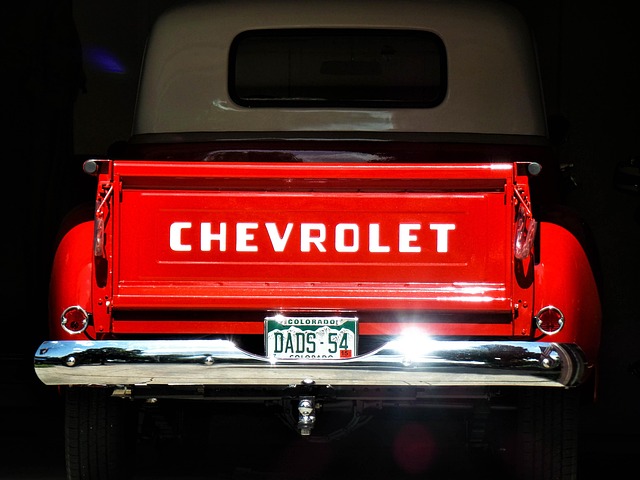
Before you start ordering parts, it helps to break the project down into key categories. This keeps your build organized and ensures you’re focusing on the right areas first.
Rust is one of the most common problems on classic trucks. Over time, moisture and road debris take their toll on areas like cab corners, floor pans, and lower fenders.
Replacing damaged sections with properly fitted chevy body panels gives you a solid foundation for the rest of the build. It also improves the final appearance by ensuring panels line up correctly and require less adjustment during installation.
Addressing rust early prevents future issues and keeps your project moving forward.
Braking systems on older trucks were designed for a different era. While they may still function, they often lack the consistency and performance needed for modern driving.
Upgrading or refreshing your proportion brake valve setup is one of the most practical improvements you can make. It helps balance braking pressure and improves overall stopping performance.
Even if you’re aiming for a mostly original build, replacing worn brake components is a smart move for both safety and reliability.
The truck bed is often one of the first areas to show wear. Years of hauling and exposure to the elements can leave it rusted, dented, or structurally weak.
For trucks in the 67–72 range, upgrading to a complete bed solution like the 1967-1972 Chevy C/K 10 Truck Short Bed Complete Bed Kit w/ Steel Floor provides a fresh start and improves both durability and appearance.
Even if you’re working on a different model year, the concept remains the same—starting with a solid, well-built bed helps define the overall quality of the truck.
When shopping for classic Chevy truck parts, you’ll typically run into three types of components. Understanding the differences helps you make better decisions.
Original parts are ideal for authenticity but can be hard to find and expensive. They’re usually reserved for high-end restorations or collectors.
Reproduction parts are designed to match original specifications. They offer a balance between authenticity and availability, making them the most common choice for restoration projects.
Aftermarket options allow you to improve performance or customize your truck. Many builders turn to custom truck parts when they want better braking, handling, or modern conveniences.
The right choice depends on your goals, but mixing these options carefully often produces the best results.
Fitment is one of the biggest concerns when working on older vehicles. Even within the same generation, small differences can affect compatibility.
Here are a few ways to avoid problems:
Taking a few extra minutes to verify fitment can save hours of frustration later.
One of the easiest ways to stay organized is to follow a consistent order when replacing parts.
Fix all rust and structural issues before moving forward.
Ensure the truck is safe and stable to drive.
Address engine, drivetrain, and cooling components.
Upgrade seating, seals, and controls.
Focus on paint, trim, and final details last.
Following this sequence helps prevent rework and keeps your build moving efficiently.
Even experienced builders run into issues if they’re not careful.
Some of the most common mistakes include:
Avoiding these mistakes will save time, money, and frustration throughout your build.
A successful restoration is about more than just installing new parts. It’s about creating a truck that works well as a whole. Every component—from body panels to braking systems—needs to support the final result.
With the right classic chevy truck parts, you can build something that not only looks great but also drives reliably for years. Taking a thoughtful, organized approach ensures your project stays on track and delivers the results you’re aiming for.
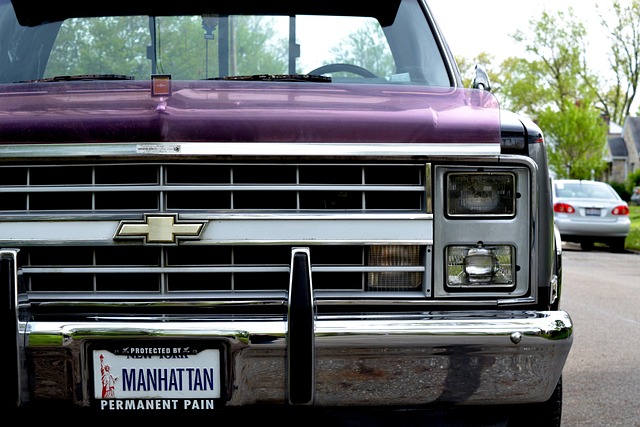
The best sources are suppliers that specialize in classic trucks and offer high-quality reproduction or OEM-style components. These companies focus on proper fitment and durability, which helps ensure a smoother restoration process.
Start by confirming your truck’s exact year, model, and configuration. Then match parts designed specifically for that setup. Checking product descriptions and working with knowledgeable suppliers can help you avoid compatibility issues.
Common upgrades include improving the braking system, updating suspension components, and replacing worn interior parts. Many builders also upgrade windows, seals, and electrical systems to improve comfort and reliability without losing the truck’s classic look.
Can't find what you need for your Classic Vehicle? Give us a call at: (336) 337-2132
