
Supply chain issues may cause delays.
Click for details
Restoring a classic truck is one of the most rewarding automotive projects you can take on, but it also comes with plenty of decisions. From sourcing replacement panels to upgrading mechanical systems, every step depends on choosing the right parts. Whether you're working on a Chevy, GMC, Ford, or Dodge, understanding how to select quality classic truck parts will make the difference between a smooth build and a frustrating one.
The goal isn’t just to replace worn-out components—it’s to build a truck that looks right, drives well, and holds up over time. That starts with knowing where to focus your attention and how to approach the process in a logical way.
One of the biggest mistakes in classic truck restoration is trying to save money on parts that don’t meet proper standards. Poor fitment, thin materials, and inconsistent manufacturing can slow down your project and lead to rework later.
Working with trusted sources for classic truck parts helps avoid those problems. Parts designed specifically for older trucks are more likely to fit correctly, install cleanly, and perform as expected once everything is assembled.
That becomes especially important as your project progresses. A small issue early in the build can turn into a much larger problem during final assembly if parts don’t align properly.
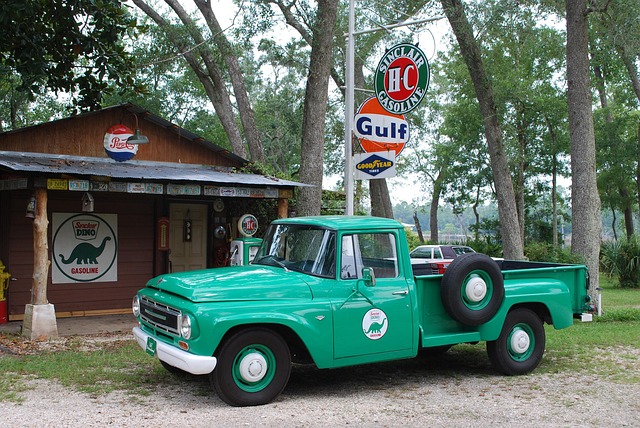
Breaking your project into categories helps keep everything organized and ensures you’re addressing the most critical areas first.
Rust and corrosion are some of the most common issues with classic trucks. Over time, exposure to the elements can damage key areas like cab corners, rocker panels, floor pans, and fenders.
Replacing these sections with properly fitted panels is essential for both appearance and structural integrity. High-quality chevy truck body panels or equivalent options for other brands ensure better alignment and a smoother finish.
Starting with solid metal makes every step after that easier.
Braking systems are another area that should be addressed early. Many classic trucks were designed with braking setups that don’t match modern driving conditions.
Upgrading your proportion brake valve and replacing worn components improves stopping power and overall safety. Even a basic refresh of the braking system can make a noticeable difference in how the truck feels on the road.
While the exterior often gets the most attention, the interior plays a big role in how enjoyable the truck is to drive.
Common upgrades include:
These changes don’t just improve comfort—they also help the truck feel more complete once the restoration is finished.
Trim pieces, lighting, and finishing components are what bring everything together. These parts may seem minor, but they have a big impact on the overall look of the truck.
Once structural and mechanical work is complete, focusing on these details helps elevate the build from functional to polished.
When shopping for classic truck parts, you’ll usually come across three types of components.
Original equipment parts are ideal for authenticity, but they can be difficult to find and expensive. They’re typically used in high-end restorations where originality is the priority.
Reproduction parts are designed to match original specifications. They offer a balance between authenticity and availability, making them a popular choice for most builds.
Aftermarket options are designed to improve performance, durability, or style. Many builders use custom truck parts to modernize their trucks while keeping the classic look intact.
Choosing the right mix depends on your goals, but many successful builds combine all three types.
Fitment issues are one of the most common challenges in classic truck restoration. Even small differences between model years can affect how parts install.
To avoid problems:
Taking the time to confirm compatibility can save hours of work later.
A structured approach helps keep your project organized and prevents unnecessary rework.
Address rust and damage first.
Upgrade brakes, steering, and suspension.
Focus on engine, drivetrain, and cooling systems.
Improve comfort and usability.
Complete paint, trim, and final details.
Following this order ensures each stage builds on the previous one.
Even experienced builders run into problems if they don’t plan carefully.
Some of the most common mistakes include:
Avoiding these issues helps keep your build on track.
A successful restoration isn’t just about replacing parts—it’s about creating a truck that works well as a complete system. Every component should support the final goal, whether that’s a reliable driver, a show truck, or something in between.
With the right classic truck parts and a clear plan, you can build something that not only looks great but also performs well for years to come. Taking a thoughtful approach ensures your project stays organized and delivers the results you’re aiming for.
The best aftermarket brands are those known for consistent quality, accurate fitment, and durable materials. Companies that specialize in classic trucks tend to offer better results than generic parts suppliers, especially when precision matters.
Original parts often show signs of age, factory markings, or manufacturer stamps. Reproduction parts are typically newer and may use updated materials. Checking part numbers, packaging, and supplier details can help you determine the difference.
The most important parts to replace include braking components, suspension systems, and any rust-damaged structural panels. Addressing these areas first ensures your truck is safe, stable, and ready for further upgrades.
Can't find what you need for your Classic Vehicle? Give us a call at: (336) 337-2132
