
Supply chain issues may cause delays.
Click for details
Restoring a classic truck is always a labor of love, but in the South, it comes with a unique set of challenges. From sweltering summer heat to relentless humidity and coastal salt exposure, Southern weather can take a serious toll on vintage vehicles. If you’re restoring a truck in states like the Carolinas, Georgia, or Florida, understanding how the regional climate affects your build is critical to protecting your investment.
At Carolina Classic Trucks, we’ve seen firsthand how Southern conditions impact everything from body panels to electrical systems. The good news? With the right strategies, materials, and preventative care, you can ensure your restored truck looks incredible and performs reliably for years to come.
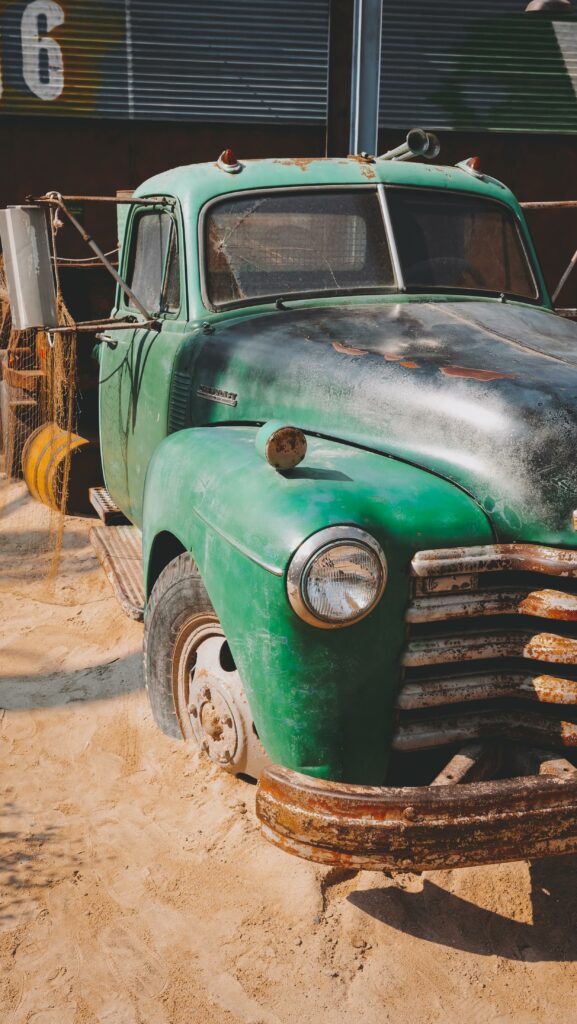
The South is known for its high humidity, especially during spring and summer. Unfortunately, moisture in the air accelerates oxidation, which leads to rust. Classic trucks, many of which were manufactured decades ago without modern corrosion-resistant coatings, are especially vulnerable.
Humidity can infiltrate:
Even vehicles stored indoors aren’t completely safe if the garage or shop isn’t climate-controlled. Over time, moisture buildup can cause hidden rust to form beneath paint or undercoating.
How to protect your truck:
During restoration, it’s critical to fully strip affected areas and treat them with rust inhibitors or epoxy primers before repainting. Using modern corrosion-resistant coatings and seam sealers provides far better protection than what was available when many classic trucks were originally built.
Southern summers are intense. Prolonged exposure to high temperatures and ultraviolet (UV) rays can degrade paint, dry out rubber seals, and crack interior materials.
Without proper protection, you may notice:
Classic trucks restored with period-correct materials may look authentic, but older-style finishes often lack the UV protection built into modern automotive paints and interior products.
How to protect your truck:
Modern clear coats with UV inhibitors are essential during repainting. Even if you’re aiming for a factory-original appearance, today’s materials can provide that look with far superior durability. Applying protective conditioners to rubber seals and storing the truck out of direct sunlight will also extend the life of your restoration.
If you live near the coast, salt air poses another serious threat. Salt accelerates corrosion by attracting moisture and breaking down metal surfaces faster than humidity alone. Even occasional beach trips can expose your undercarriage to corrosive elements.
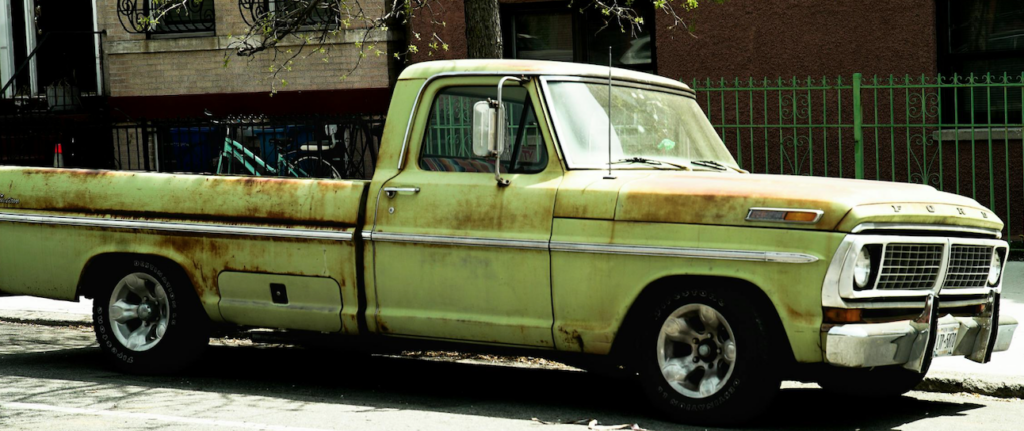
This is especially important for popular Southern classics like the Chevrolet C10 or the Ford F-100, which often feature exposed frame components and simple underbody designs.
How to protect your truck:
A thorough undercarriage cleaning after coastal driving is crucial. During restoration, applying modern undercoating, chassis paint, or rustproofing treatments can create a barrier against salt intrusion. Regular inspections of suspension components and brake lines are also essential in coastal regions.
Southern weather can shift quickly, with heavy rainstorms and occasional hurricanes creating flood risks. Classic trucks are particularly vulnerable to water intrusion because older weather seals and body designs weren’t engineered with modern drainage systems in mind.
Flood exposure can damage:
Even minor water intrusion can lead to mold growth or hidden corrosion behind panels.
How to protect your truck:
Ensure all weatherstripping and seals are properly fitted during restoration. If you live in a flood-prone area, avoid ground-level storage and consider elevated or enclosed facilities. Modern wiring harness upgrades can also improve reliability and resistance to moisture-related issues.
Warm Southern climates also mean year-round pests. Rodents and insects can chew through wiring, build nests in engine bays, and damage upholstery - especially if a truck sits unused for extended periods.
How to protect your truck:
Proper storage is key. Use sealed storage areas when possible and avoid leaving vehicles parked outdoors for long durations. Regularly starting and driving your truck not only keeps mechanical components healthy but also discourages pests from settling in.
The biggest mistake Southern truck owners can make is restoring a vehicle without considering the environment it will live in. A show-quality paint job won’t last if rust protection wasn’t addressed beneath the surface. Authentic interior materials won’t hold up if they aren’t treated for heat and UV exposure.
At Carolina Classic Trucks, we approach every restoration with climate in mind. That means:
Blending classic aesthetics with modern protection ensures your truck doesn’t just look incredible - it stays that way.
Restoring a classic truck in the South requires more than craftsmanship; it requires strategy. Humidity, heat, salt air, storms, and pests all pose real threats to your vehicle’s longevity. But with the right preparation and preventative care, these challenges can be managed effectively.
Your classic truck is more than just transportation - it’s history, pride, and passion on four wheels. By investing in climate-conscious restoration techniques and proper storage solutions, you can protect that investment for decades to come with help from Carolina Classic Trucks.
