
Supply chain issues may cause delays.
Click for details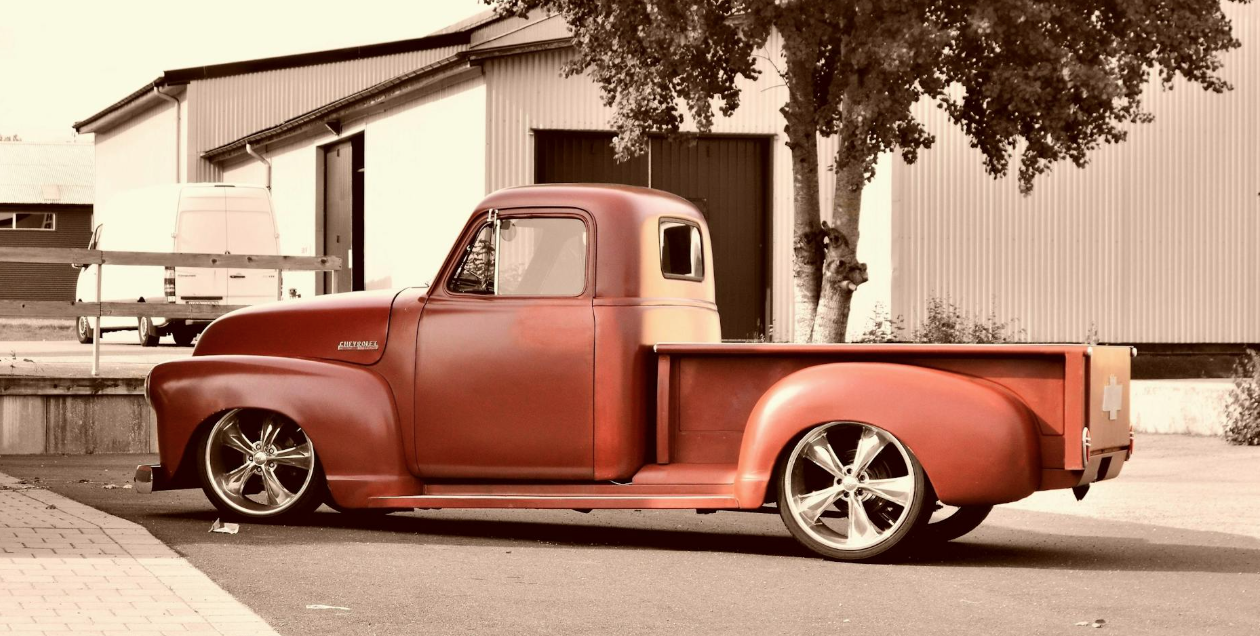
There’s something undeniably special about bringing an old truck back to life. Whether it’s a well-worn farm pickup or a once-proud daily driver that’s been sitting for decades, a full classic truck restoration is both a labor of love and a serious commitment. At Carolina Classic Trucks, we often meet enthusiasts who are passionate about restoring their vintage rides, but aren’t fully aware of what the process actually involves.
If you’re considering restoring a classic from brands like Ford Motor Company, Chevrolet, or Dodge, here’s a closer look at what a true, full restoration really entails.

Every successful restoration begins with a thorough inspection. This step determines the truck’s overall condition, identifies rust and structural damage, evaluates the drivetrain, and assesses what parts can be saved versus what needs replacing.
Key areas of focus include:
From there, a clear restoration plan is developed. Will this be a factory-correct restoration? A restomod with modern upgrades? A show-quality build or a reliable weekend cruiser? The answers shape every decision moving forward.
A full restoration typically requires taking the truck completely apart. This means removing the cab, bed, front clip, drivetrain, interior components, glass, wiring, and trim. Every bolt and bracket is cataloged and evaluated.
Disassembly allows restoration professionals to:
This stage can be time-consuming, but it’s essential for achieving long-lasting results rather than just a cosmetic refresh.
The foundation of any truck is its frame. Once stripped down, the frame is cleaned, inspected, and often sandblasted to remove corrosion and old coatings. Repairs are made as needed, and the frame is either powder-coated or painted for durability.
Suspension components, bushings, steering systems, and brake lines are replaced or rebuilt. Many restorations also include upgrades such as:
Even if the goal is a stock restoration, ensuring the truck drives safely and smoothly is critical.
Classic trucks are notorious for rust issues, especially in floor pans, rocker panels, and bed sides. Professional bodywork involves cutting out rusted sections and welding in new metal—not simply covering damage with filler.
This process includes:
Once the body is straight and solid, it moves into primer and paint. A high-quality paint job involves multiple stages, including sealing, base coat application, and clear coat finishing. For many owners, this is the most exciting part of the restoration - the moment when the truck truly begins to shine again.
A full restoration usually includes rebuilding the engine, transmission, and rear end. The engine may be restored to factory specifications or upgraded for improved performance and reliability.
Typical drivetrain work includes:
For those building restomods, modern crate engines or upgraded transmissions may be installed. The goal is to ensure that the truck doesn’t just look great, but it runs strong and dependable.
Older wiring systems often suffer from brittle insulation, poor grounding, and outdated fuse blocks. A full restoration frequently involves installing a new wiring harness to improve safety and reliability.
Lighting, gauges, charging systems, and ignition components are either restored or upgraded. This step is especially important if modern conveniences - like air conditioning or upgraded audio systems - are being added.
The interior of a classic truck can be just as involved as the exterior. Seats are reupholstered or replaced, dashboards are restored, gauges are repaired, and headliners are installed.
Depending on the vision for the build, the interior may include:
Attention to detail here elevates the driving experience and completes the transformation.
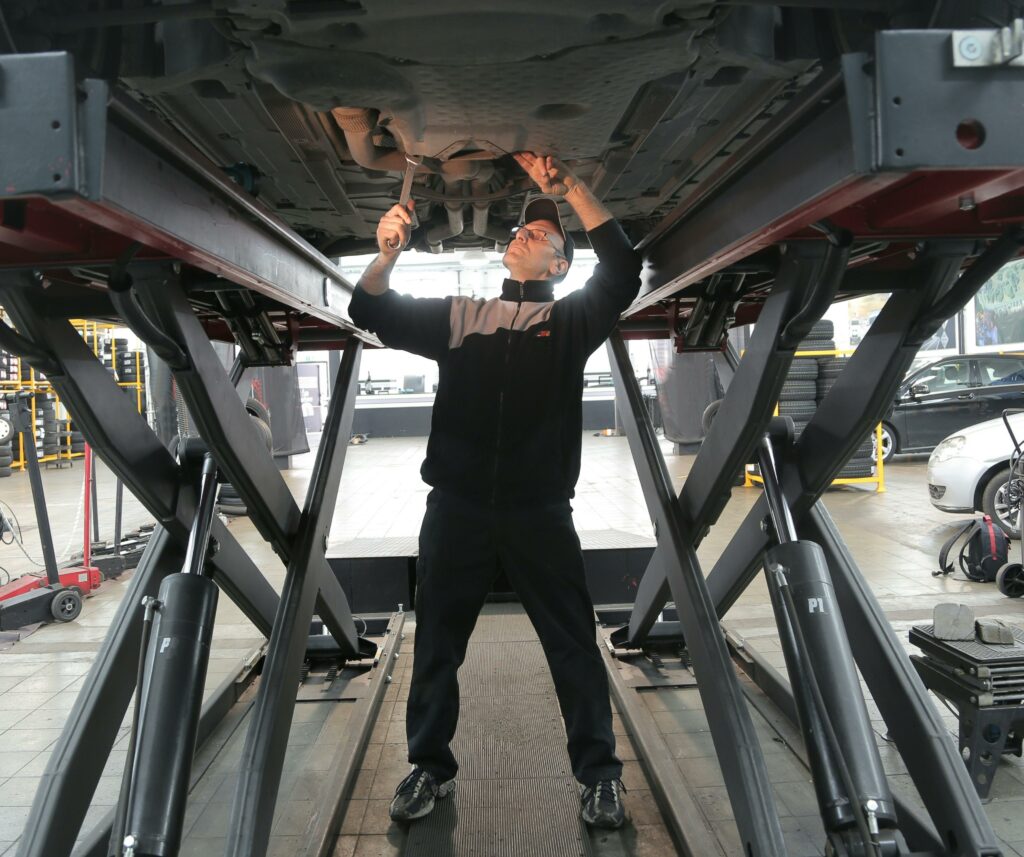
After paint cures and all systems are restored, the careful reassembly process begins. This stage requires patience and precision to ensure proper alignment and avoid damaging fresh finishes.
Once assembled, the truck undergoes final tuning and testing. This includes:
Only after thorough testing can the restoration truly be considered complete.
A full classic truck restoration is far more than a paint job or an engine swap. It’s a comprehensive process that addresses every system - mechanical, structural, cosmetic, and electrical. It requires skill, planning, patience, and quality parts.
When done correctly, the result is more than just a restored vehicle. It’s a revived piece of history that can be driven, shown, and enjoyed for decades to come.
At Carolina Classic Trucks, we understand the dedication that goes into a true restoration. Whether you’re just starting your project or deep into the build, knowing what’s involved helps you plan realistically and invest wisely. A properly restored classic truck isn’t just transportation, it’s a legacy on wheels.
