
Supply chain issues may cause delays.
Click for details
There’s nothing quite like the feeling of bringing an old truck back to life. Whether you’ve just picked up a barn find or inherited a family heirloom, restoring your first classic truck is an exciting - and sometimes overwhelming - journey. From iconic models like the Ford F-100 and Chevrolet C10 to rugged classics like the Dodge D100, these trucks represent a golden era of American craftsmanship.
If you’re new to the restoration world, this beginner-friendly guide from Carolina Classic Trucks will help you understand the process, avoid common mistakes, and start your project with confidence.
Before turning a wrench, take time to define your vision. Do you want a showroom-quality restoration? A reliable weekend cruiser? Or a lightly modified restomod with modern upgrades?
For beginners, it’s often best to start with a truck that is:
While projects that need “a little bit of everything” may seem like a bargain, they can quickly become expensive and time-consuming. Starting with a truck that has a strong foundation (and a little help from Carolina Classic Trucks) will make your first restoration far more enjoyable.
Restoring a classic truck is a labor of love, but it’s also an investment. Costs typically fall into a few major categories:
It’s smart to build in a cushion of 15–20% beyond your initial estimate. Unexpected repairs are part of the process, especially when working on vehicles that are 40, 50, or even 70 years old.
Before disassembly, document everything. Take detailed photos of:
These images will be invaluable months later when it’s time to reassemble.
Create a written plan outlining the order of work. Many experienced restorers recommend this sequence:
Prioritizing safety systems first ensures the truck can move and stop properly before cosmetic upgrades begin.
For a first-time restorer, it’s tempting to jump straight to shiny paint and polished chrome. But the most important upgrades are the ones you don’t always see.
Make sure to inspect and, if necessary, replace:
Upgrading to modern disc brakes or replacing brittle original wiring can dramatically improve safety and reliability without sacrificing classic style.
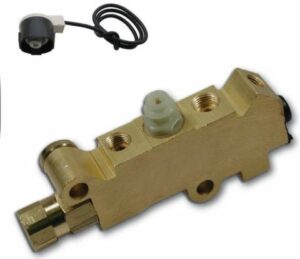
Consider parts like our 73-79 Ford F250/F350 Front Disc/Rear Drums Brake Proportion Valve with Sensor Wire. This 1973-1979 Ford proportioning valve comes with the pigtail wire needed to work on classic Ford trucks!
One of the biggest decisions you’ll face is whether to restore your truck to factory-original condition or incorporate modern upgrades.
Original Restoration
This approach focuses on factory-correct parts, colors, and finishes. It’s ideal for collectors and those who appreciate authenticity.
Restomod
A restomod blends vintage styling with modern performance - think fuel injection, upgraded suspension, air conditioning, or power steering. This option often makes the truck more comfortable and practical for daily driving.
There’s no right or wrong choice, only what fits your goals and budget.
You don’t have to be a master mechanic to restore a classic truck. Many beginners start with limited experience and build their skills along the way.
Consider:
Small victories, like rebuilding a carburetor or installing new door panels, add up quickly and build confidence.
One of the most important aspects of a successful restoration is choosing high-quality replacement parts. Poor-fitting or low-grade components can cause frustration, delays, and even safety issues.
When sourcing parts, look for:
Working with a trusted supplier that understands classic Ford, Chevy, and Dodge trucks can save you time and prevent costly mistakes. Quality parts not only improve performance and appearance but also protect the value of your investment. Make Carolina Classic Trucks your restoration go-to!
Restoration takes time - often far more than expected. It’s common for first projects to span months or even years.
Instead of rushing, focus on steady progress. Break the project into manageable phases and celebrate milestones along the way:
Remember, the journey is part of the reward.
There’s no shame in outsourcing certain tasks. Complex bodywork, precision engine machining, or professional paint jobs may be better handled by experienced specialists.
By combining DIY effort with professional expertise where needed, you’ll often achieve better results while still staying hands-on with your project.
Restoring your first classic truck is more than a mechanical project; it’s a connection to history. Whether you’re rebuilding a workhorse from the farm or customizing a 1960s street cruiser, you’re preserving a piece of American automotive heritage.
With careful planning, realistic expectations, and quality parts from Carolina Classic Trucks, your first restoration can be a deeply satisfying experience. Take your time, do it right, and before you know it, you’ll be turning the key on a truck that reflects your hard work and passion.
And once you complete your first project? Don’t be surprised if you start looking for the next one.
