
Supply chain issues may cause delays.
Click for details
Restoring a classic truck is one of the most rewarding automotive projects a gearhead can take on. Whether you’re reviving a long-lost family pickup or breathing new life into a vintage Chevy, Ford, GM, or Dodge, it’s a journey filled with passion, challenge, and satisfaction. But along the way, many classic truck owners make common mistakes that can cost time, money, and sometimes even the integrity of the truck itself.
At Carolina Classic Trucks, we’ve been supplying high-quality restoration parts and accessories to enthusiasts since 2002. Along the way, we’ve seen firsthand which pitfalls are worth avoiding and how the right parts and planning can make your restoration smoother and more successful.
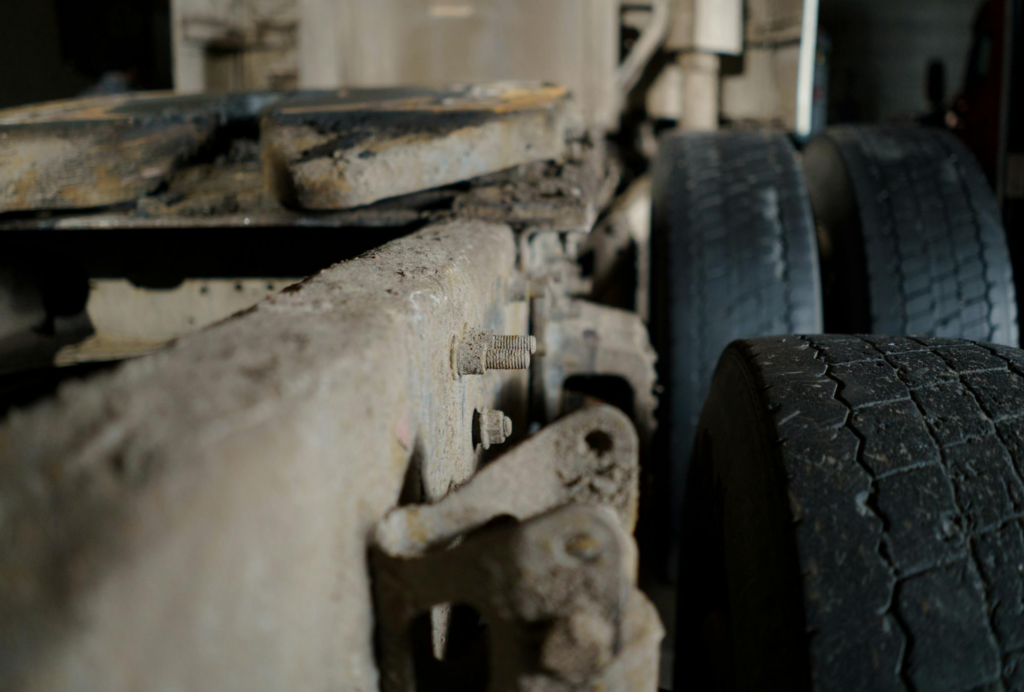
One of the biggest mistakes in restoration is starting without a clear parts plan. Owners often begin tearing into a project thinking they’ll figure out parts as they go. That approach inevitably leads to delays, mismatched pieces, and last-minute sourcing headaches.
Before you break out the tools, take inventory of what parts you’ll need. Essential categories to consider include:
You can browse these and other key categories on Carolina Classic Trucks’ restoration section here.
Having a roadmap keeps you organized, helps you avoid unnecessary purchases, and lets you source correct parts ahead of time, not under pressure in the middle of a rebuild.
Rust is the nemesis of classic trucks. Decades on the road, moisture trapped in seams, floors, beds, and cab corners can all lead to extensive corrosion. Many owners make the mistake of patching small areas and hoping the rest holds—but rust rarely stays localized.
On trucks from the late 1960s to early 1970s, areas like door bottoms, cab corners, beds, fenders, and rocker panels are notorious rust points. Trying to get by with patchwork here often leads to premature failure and a less-than-solid foundation for your restoration.
Instead, choose high-quality replacement panels and full-section kits from trusted sources. Investing in proper sheet metal and rust repair pieces up front will save hours of rework and ensure a solid, safe truck for years to come.

Another common misstep is assuming parts from similar model years are interchangeable. While some components share family resemblances, subtle differences in dimensions, trims, or assembly points can create fitment nightmares if you’re not careful.
For example, certain panel years and models require specific parts that won’t align if forced into place. Verifying that each replacement panel, weatherseal, or accessory is made for your exact year, make, and model prevents issues down the road. Always double-check fitment notes and manufacturer specs before ordering.
It’s tempting to reach for the cheapest parts available, especially when budgets are tight. But classic truck restoration is one area where cutting corners often leads to expensive callbacks. Low-grade parts may show poor fit, premature wear, or require extensive modification before use.
High-quality restoration parts—whether it’s a weatherstripping kit that seals out moisture or a brake proportioning valve that ensures safe stopping power—offer better longevity and generally fit more predictably. Carolina Classic Trucks offers components crafted by reputable makers that balance durability, accuracy, and value.
Rust and structural repairs often take center stage, but restoring seals, weatherstripping, and glass channels is just as important. Neglecting these elements results in leaked cabs, rattling windows, and ongoing moisture problems that can undo your hard work.
Replacing all old seals - especially around doors, windows, and the bed - helps protect the interior from rain and road grit and preserves the clean look you’re working toward. It’s the small details like this that elevate a good restoration to a great one.
Many restorers pour effort into the body, engine, and trim—but leave the wheels and stance until late in the project. Sooner or later, you’ll discover that wheel selection, tires, and ride height dramatically influence how the truck looks and feels.
Taking these into account earlier can inform suspension choices, brake upgrades, and even fender fitment. A well-balanced stance brings cohesiveness to your build that no amount of polish can fake.
It’s easy to get caught up in exterior perfection and forget about the cab. Steering wheel condition, gauges, seats, door panels, and dash trims all contribute to the overall experience. Slapping on a new carpet while letting cracked knobs and sun-faded panels languish detracts from the value and enjoyment of your truck.
Address interior components with the same care you give bodywork, and you’ll create a cohesive restoration that turns heads both inside and out.
Restoration is as much about planning and precision as it is about passion. Avoiding these common mistakes makes your project more rewarding and your results more authentic.
For quality parts across all the major categories you’ll need, check out Carolina Classic Trucks’ extensive inventory of restoration panels, harnesses, and accessories at CarolinaClassicTrucks.com.
