

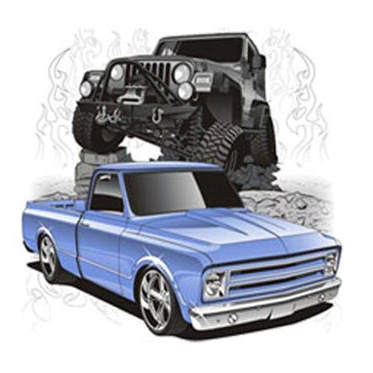
The 1967–1972 Chevy C/K trucks, especially the C10, remain some of the most sought-after classics in the restoration world. Their clean body lines, reliable platforms, and massive aftermarket support make them ideal projects for beginners and seasoned builders alike. But if you’ve spent any time digging into one of these trucks, you already know what every restorer eventually discovers: body panels, rust repair, and year-specific differences can make or break your build.
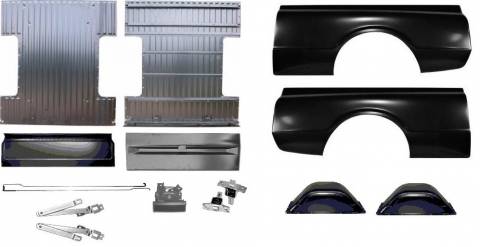
Here are some of the most common questions people ask about 1967–1972 Chevy truck body panels, where rust occurs, what parts interchange (and what absolutely do not), and which replacement panels are worth investing in. We’ll also highlight one of the most complete solutions for bed restoration, the 1967-1972 Chevy C/K 10 Truck Short Bed Complete Bed Kit w/ Steel Floor from Carolina Classic Trucks, available here:
https://www.carolinaclassictrucks.com/67-72-Chevy-CK-10-Truck-Short-Bed-Complete-Bed-Kit-with-Steel-Floor.html
Where Rust Happens Most on 67–72 Chevy Trucks
Rust is the number one issue on these trucks, no surprise given their age and how many lived hard-working lives.
Door Bottoms
One of the most notorious rust points is the bottom of the doors. Factory drains often clogged over time, letting moisture collect and rot the inner seams. Many owners don’t notice the damage until it’s too late, so replacement skins or full doors are extremely common.
Cab Corners
Cab corners are another high-risk area. Dirt, moisture, and road grime get trapped behind the panel, and corrosion spreads quickly. Patch panels are widely available, but getting a clean, seamless finish takes skill. Many restorers ultimately choose to replace larger sections for a better end result.
Truck Beds
Hauling, weather exposure, and poor drainage cause serious rust in beds, especially the steel-floor models. Cross sills, bed sides, wheel tubs, and even full bed floors often need repair or replacement. This is where complete bed kits can save time and money.
Fenders & Rockers
Front fenders commonly rust behind the wheels, and rocker panels are frequently eaten away from years of moisture and road debris. These panels are among the most replaced parts on any 67–72 restoration.
Year-Specific Differences: What You Need to Know
Not all 1967–1972 Chevy truck parts interchange. One of the biggest restoration mistakes is assuming they do.
1967 Is a Unique Year
The 1967 model stands apart from the 1968–72 trucks in several ways:
-
Unique dash design
-
Different grille and front-end trim
-
Smaller ignition switch
-
Various one-year-only interior and exterior trim pieces
If you’re restoring a ‘67, always double-check compatibility before ordering parts.
1968–72 Are Mostly Interchangeable, But…
While many panels swap across these years, grille assemblies, cab components, trim pieces, and even bed hardware can vary by year. Always confirm a part is made for your specific model to avoid fitment issues.
Contact us if you have any questions: (336) 337-2132 (EST)
Key Body Panels to Inspect or Replace
If you’re starting a restoration or preparing to buy parts, here are the most common components owners end up replacing:
Beds & Tailgates
Complete bed kits, tailgates, bed floor replacement panels, and repair sections are almost always needed. Severe rust or old collision damage often makes piecing together repairs more expensive than a full replacement.
One of the best all-in-one solutions is the 1967–1972 Chevy C/K 10 Truck Short Bed Complete Bed Kit w/ Steel Floor from Carolina Classic Trucks right here on our website. This kit includes everything you need to rebuild the bed from the ground up, panels, floor, tubs, and more, saving hours of searching for individual parts.
Check it out here:
https://www.carolinaclassictrucks.com/67-72-Chevy-CK-10-Truck-Short-Bed-Complete-Bed-Kit-with-Steel-Floor.html
Doors
If the bottoms are rotted, you can choose from:
-
Door skins
-
Lower rust repair panels
-
Complete reproduction doors
Full replacements provide the cleanest, most professional finish.
Fenders & Hoods
These panels define the front of the truck. Whether upgrading to OEM-style or aftermarket steel, good fenders and a solid hood are essential for proper alignment and curb appeal.
Cab Components
These include:
-
Cab corners
-
Rocker panels
-
Floor pans
-
Inner rocker supports
Replacing these sections restores structure, stops rust from spreading, and ensures your truck is safe.
Trim & Chrome
Cosmetic, but important for authenticity and resale value. Bumpers, emblems, moldings, and grille components add the finishing touches.
Contact us if you have any questions: (336) 337-2132 (EST)
Tips for Finding & Using the Right Parts
1. Verify Your Year
This is especially crucial with 1967 vs. 1968-72 trucks. Even small differences can affect how a panel mounts or aligns.
2. Buy From Reputable Sources
Cheap imported panels may cost less upfront but often fit poorly and require more labor. Trusted vendors like Carolina Classic Trucks offer high-quality reproduction panels that install correctly and last longer.
3. Decide Between Patch Panels & Full Replacements
Patch panels work for small rust spots, but large areas of rot usually call for complete panel replacement. Not only does it look better, but it prevents rust from returning through the repaired seams.
Some of my Final Thoughts...
Restoring a 1967–1972 Chevy truck is one of the most rewarding classic-vehicle projects, but rust repair, panel fitment, and year-specific details are critical to doing it right. Whether you’re rebuilding a short bed, replacing cab corners, or hunting down a correct grille, quality parts and proper planning make all the difference.
If you want the cleanest start for your truck bed restoration, consider the 67–72 C/K 10 Short Bed Complete Bed Kit with Steel Floor, a reliable, all-in-one option from Carolina Classic Trucks that saves time, improves alignment, and delivers factory-correct results.
Here’s the link once more:
https://www.carolinaclassictrucks.com/67-72-Chevy-CK-10-Truck-Short-Bed-Complete-Bed-Kit-with-Steel-Floor.html